🏭 The Role of CAD, CAM, and CAE in Modern Manufacturing
The modern era of manufacturing has been a vastly different experience for the past two decades. The modern factory is now required to produce high-quality goods quickly, with reduced prices and virtually error-free work. This is made possible largely because CAD, CAE, and CAM are extensively used.
These three technologies are the cornerstone of the current product development and manufacturing era. Combined, they provide a fluid, cohesive process stream from design to product development. This article defines what CAD, CAM, and CAE are, how they are used together, and why they are a vital component within the contemporary product development environment.
🧩 CAD – Computer-Aided Design
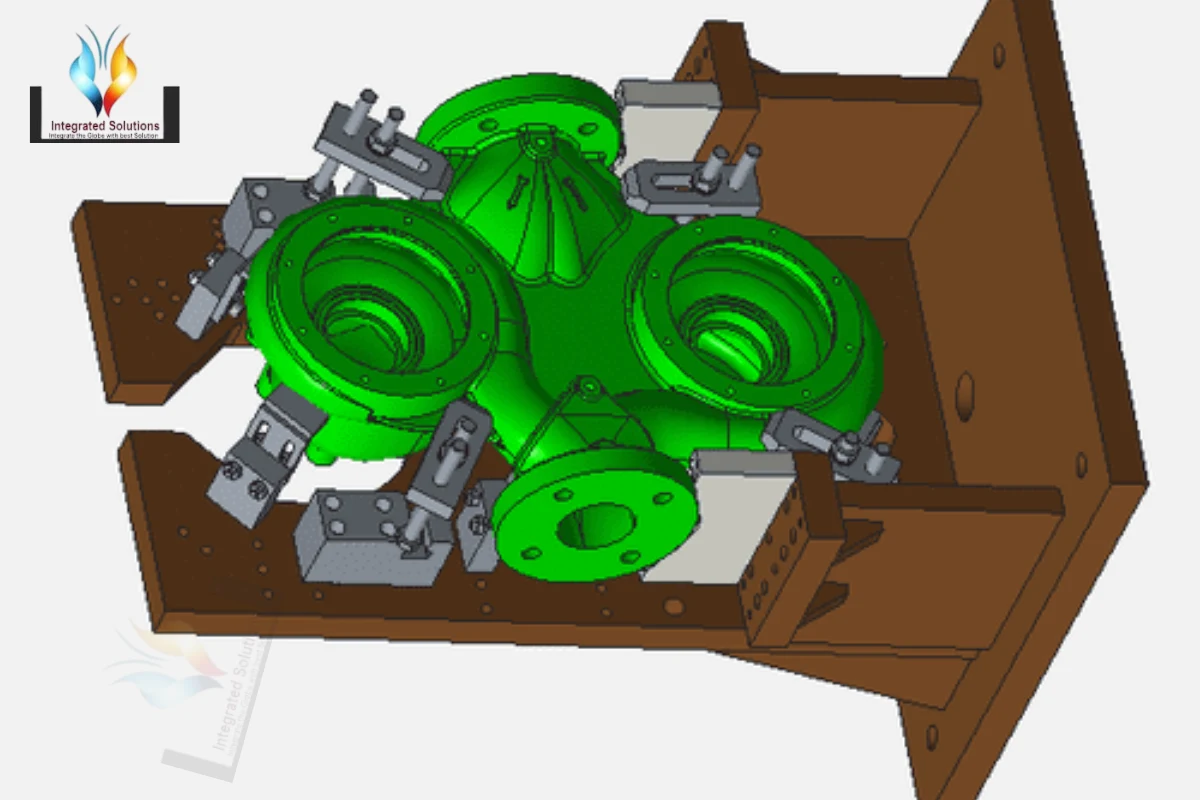
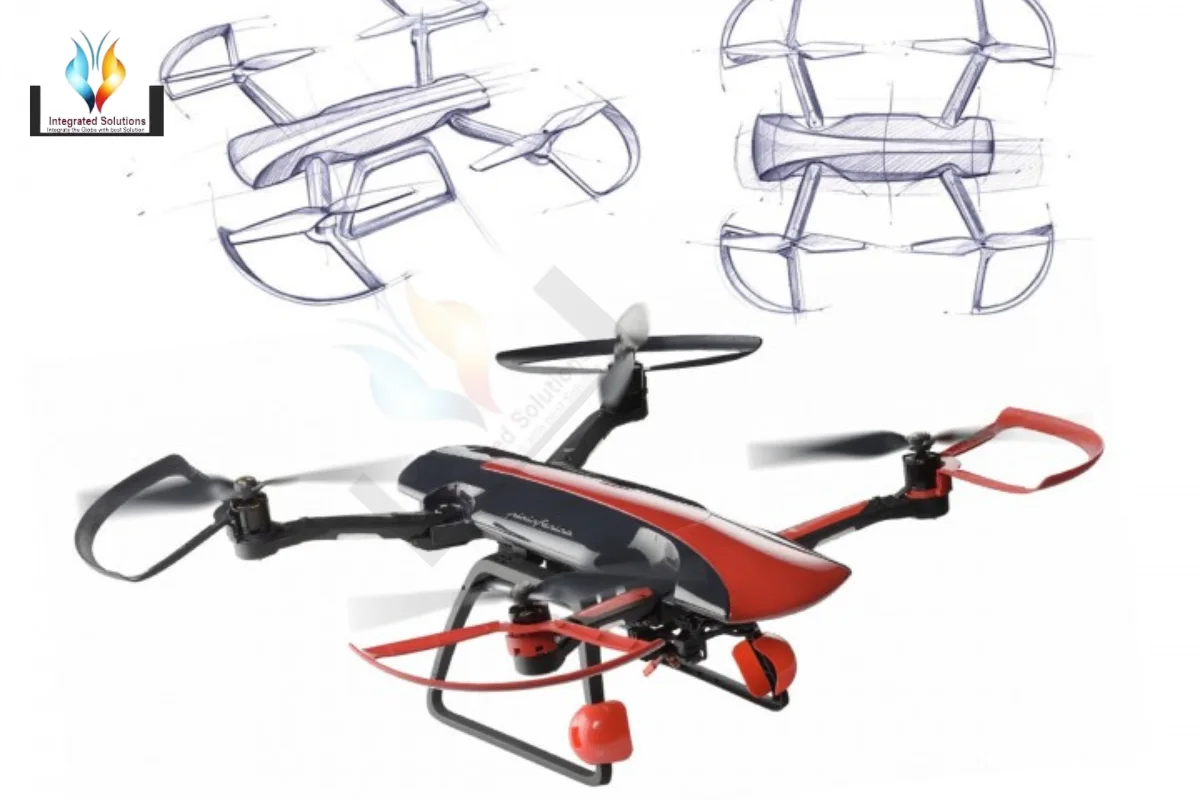
📐 Computer-Aided Design (CAD) is the bedrock of modern manufacturing. This is where engineers and designers use CAD software to develop precise 2D drawings and 3D product models even before the product is created. The CAD software provides all the essential details of a product, such as size, material, tolerance, and geometric properties.
Through CAD, producers are able to see clearly how the final product will look and function even from the earliest stage of product development. The designs can be easily modified in a short while without having to go back to the drawing board, thus saving on time and money. In addition, design accuracy is high, resulting in fewer errors when prototypes are produced.
How to Help CAD CAM CAE in Modern Manufacturing
Another significant benefit of CAD is that it provides collaboration capabilities. It becomes easy to share design files with design, engineering, prototyping, and manufacturing departments, ensuring that all departments are working on the same design.
CAD Helps Manufacturers To:
- 👁️ Visualization of products before production.
- 🔄 Make design changes quickly without revising.
- 📏 Specifications: Maintain precise dimensions and tolerances.
- 🤝 Share digital models with the engineering and production teams.
⚙️ CAM – Computer-Aided Manufacturing
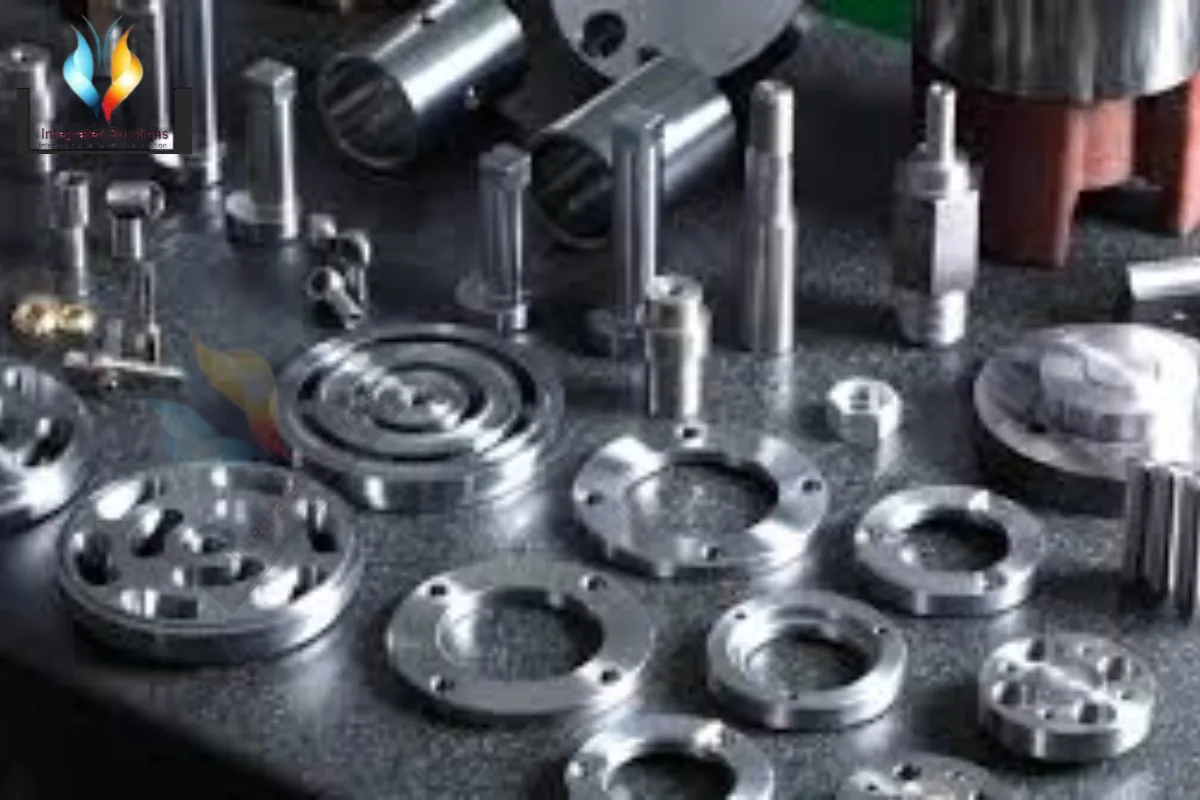
🖥️ Computer-Aided Manufacturing (CAM) is the connection between design and manufacturing. CAM software uses design data from computer-aided design (CAD) systems, which is used to develop machine-level commands to run machines such as CNC milling machines, lathes, and machining centers.
By applying CAM, manufacturers are able to carry out complicated machining tasks with high precision. The path of the tool, the speed of cutting, as well as the machining order, are computerized, which ensures uniformity in the production of every part.
CAM is also playing an essential role in enhancing the efficiency of manufacturing. The reason is that the optimized machining programs are minimizing the cutting cycles, the wastage of material, as well as the machine idle times, which enable the manufacturers to produce high-quality parts quickly and with reduced costs.
CAM Assists Manufacturers In:
- 🤖 Automate machining operations with precision.
- 🎯 Enhance precision during production.
- ❌ Eliminate human error in factory operations.
- 🚀 Speed up production, making it more efficient.
CAE – Computer Aided Engineering
🔬 CAE – Computer Aided Engineering
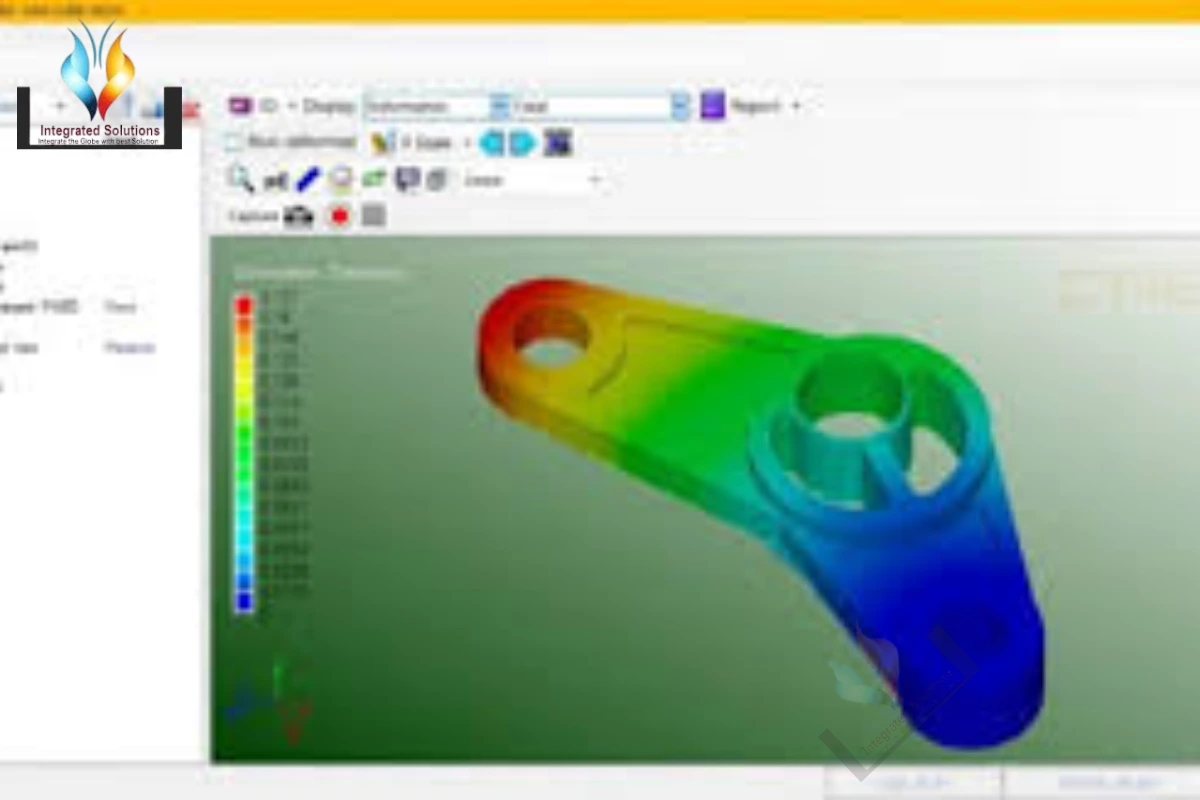
The focus of CAE is simulation, analysis, and performance validation. It allows engineers to test how a product will behave under real-world conditions before manufacturing begins. By using digital simulations, potential design issues can be identified and corrected early in the development process.
CAE helps manufacturers to be aware of whether the product is sufficiently strong, safe, and reliable for its intended use. Rather than ‘cut-and-try’ methods during physical testing, engineers are able to analyze performance issues virtually, thus saving time while reducing development costs.
CAE has become crucial for manufacturers in their tireless quest for quality improvement with minimum failures in production.
CAE is commonly used for
- 🧱 Stress and strength analysis, assurance of structural reliability.
- 🌡️ Stokes Law, Falling Sphere Apparatus, Stop Watch, Drain Jackestudy the physical, chemical, and biological properties of particles, including heat flow and temperature effects.
- 🔊 Vibrational and Fatigue test: longitudinal durability end.
- 🎯 Optimisation of the design to achieve higher performance with less material.
🔄 How CAD, CAM, and CAE Work Together in Manufacturing
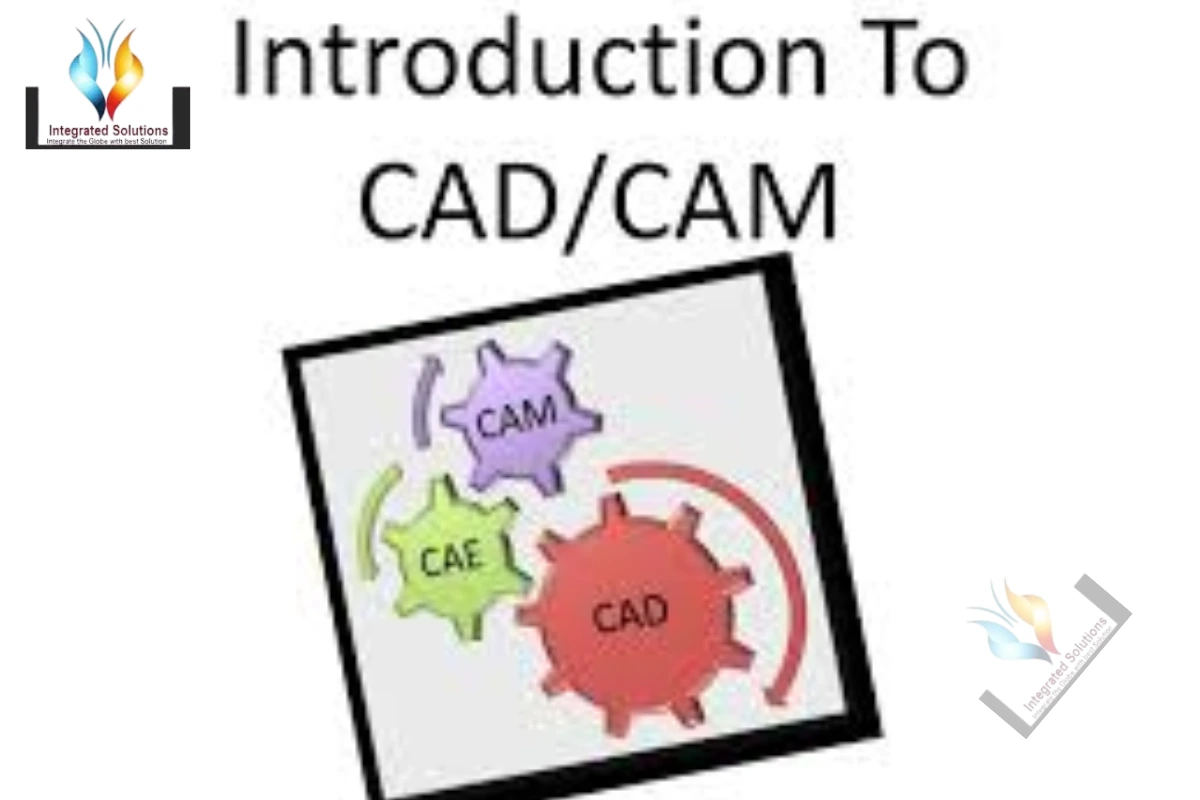
In modern manufacturing, CAD, CAM, and CAE do not work in isolation. They operate as a connected digital workflow that supports the entire product development and manufacturing process. This integration ensures that designs move smoothly from concept to production with fewer errors and delays.
The process begins with 🖥️ CAD, where engineers create accurate digital product models that define shape, dimensions, and materials. These models are then evaluated using 🔬 CAE, which simulates real-world conditions to validate strength, performance, and reliability. Once the design is fully tested and approved, ⚙️ CAM takes the final model and converts it into machine-ready instructions for CNC machines and other manufacturing equipment.
By connecting CAD, CAE, and CAM into one unified system, manufacturers can detect design issues early, reduce rework, and ensure the product is optimized for manufacturing from the very beginning. This integrated approach saves time, lowers costs, and improves overall product quality.
Integrated Workflow Benefits:
🔗 Seamless data flow from design to production.
🛑 Early error detection through simulation.
⏱️ Reduced development and production time.
🎯 Manufacturing-ready designs with higher accuracy.
📊 CAD vs CAM vs CAE – Simple Comparison Table
| Technology | Primary Purpose | Key Role in Modern Manufacturing |
|---|---|---|
| 📐 CAD (Computer-Aided Design) | Product design & digital modeling | Creates accurate 2D drawings and 3D models that define product geometry, dimensions, materials, and tolerances before manufacturing begins. |
| 🔬 CAE (Computer-Aided Engineering) | Engineering analysis & simulation | Tests product strength, thermal behavior, vibration, and reliability using simulations to validate performance and prevent design failures. |
| ⚙️ CAM (Computer-Aided Manufacturing) | Manufacturing execution & automation | Converts approved CAD models into CNC machine programs, optimizing tool paths, machining accuracy, and production efficiency. |
🚀 The Role of CAD in Modern Manufacturing
📐 Computer-Aided Design (CAD) is the bedrock upon which modern manufacturing is based. The key to a successful product is a robust design on a computer. Precision in design at the onset helps avert costly design problems that are hard to repair once product manufacturing is in full swing.
CAD helps engineers design accurate models that have real-world sizes, materials, and specifications. Such models serve as a single source of truth for design, engineering, and manufacturing teams. In cases where changes are needed, such changes can be accomplished very quickly without affecting the overall process, which helps in saving costs.

The Role of CAD in Modern Manufacturing
The other significant benefit that CAD has is that it fosters collaboration. This is because there are no issues with regard to designing, as the designs can be shared with others, meaning that people work from the same set of accurate information.
CAD is also a vital component of Design for Manufacturing (DFM), which focuses on designing products that are easier, faster, and less expensive to produce. This is because, by taking into consideration the limitation of manufacturing, CAD helps minimize waste in the process.
Benefits of CAD in Manufacturing
📏 High design accuracy, thereby minimizing production errors.
🔁 Smoother design iteration with reduced design changes.
🧠 improved collaboration between design, engineering, and production departments.
📦 Better documentation and use of the data for consistent production.
⚙️ How CAM Improves Manufacturing Efficiency
🖥️ CAM, or Computer-Aided Manufacturing, connects design directly into production. Instead of manually programming machines, CAM software generates highly accurate CNC toolpaths straight from data created in CAD models. In this way, it directly connects the making to be exactly as the design intended.
Generally, automating machining operations, especially with CAM, considerably reduces setup time while eliminating common programming errors. The tool paths are optimized for better cutting speed, tool life, and material usage to get faster production cycles with good consistency in the quality of parts. Reproducing the same component multiple times with the same precision is also quite easy in CAM.
Another important benefit of the CAM is material efficiency. Optimised machining strategies reduce scrap and rework, helping the manufacturer to save on production costs while maintaining quality standards. Based on this fact, it is no wonder that CAM finds broad applications in industries where accuracy, speed, and reliability are crucial.
Advantages of CAM in Manufacturing:
- ⏱️ Shorter production cycles because of automated CNC programming
- 🎯 High-precision machining with consistent accuracy
- 🔄 Repeatable manufacturing quality for batch and mass production.
- 📉 Material waste reduced and much lesser machining cost.
Efficiency and accuracy are key issues in industries such as the automotive, aerospace, industrial equipment, and precision engineering industries, where CAM plays a major role in performance and profitability.
CAE Importance in Product Development
🔍 CAE Importance in Product Development
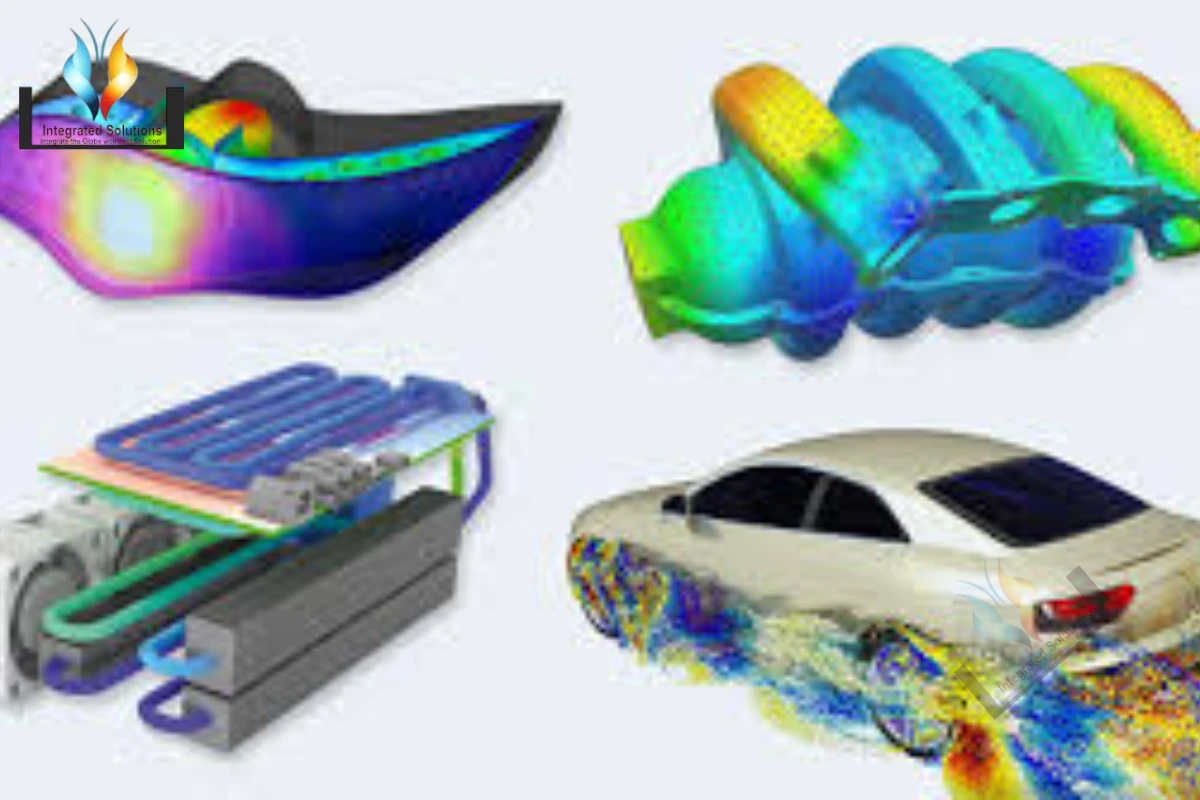
🔬 Computer-Aided Engineering (CAE) has become crucial in the area of product development. It allows the manufacturer to virtually test and validate the design. Instead of depending on physical prototypes only, it applies advanced simulations to check how a product will behave under real conditions.
CAE analyzes the stress, heat, vibration, and load behaviors at the very initial stage of a design in order for the engineers to predict componential failure of a product before actual manufacturing can take place. This allows the optimization of material use while keeping the strength, safety, and durability of a product intact. The manufacturer, therefore, would be able to afford high performing products at low material costs.
Another major benefit of CAE is cost savings. In effect, virtual testing reduces the number of prototype replicas needed, thus saving not only time but also the expenses associated with product development. Since it identifies and solves design problems much earlier in the process, CAE reduces the possibility of failures during production or practical use significantly, enhancing the overall reliability of the product and improving customer satisfaction.
How CAE Helps Manufacturers:
🔮 Predict product failure before manufacturing.
🧱 Material waste optimization without strength compromise.
🛡️ Improve the product’s safety and durability.
💰 Decrease the cost for making prototypes and testing.
🏗️ CAD, CAM, and CAE What role does each of them play in the entire manufacturing workflow?
A modern manufacturing environment is no longer a straightforward, linearly organized process but rather one continuous improvement maintained by modern digital tools. CAD, CAM, and CAE jointly establish a connected workflow that links design, analysis, and production into one seamless system.
The process begins with 🖥️ CAD, where informed design decisions are made upfront in view of functional requirements and manufacturing constraints. Then, 🔬 CAE allows for data-driven insights into these designs through simulation and performance analysis. Such results allow for rapid refinement of the designs before entering production. Finally, ⚙️ CAM ensures a seamless and accurate transition from digital models to physical manufacturing.
It allows manufacturing companies to iterate faster, optimize designs with real data, and maintain consistent quality from prototype to mass production through this integrated digital workflow. Without gaps in design and production, companies can scale their manufacturing operation efficiently, continuing to push standards for accuracy and reliability.
Benefits of Integrated Workflow:
- 🧠 Smarter design decisions with the power of simulation data.
- 🔄 Faster design and production iterations.
- 📊 Data-driven Optimization of Performance and Cost Efficiency.
- 🏭 Smoothen the transition from design to production with reduced errors.
This workflow of digital manufacturing is indispensable in the present competitive industrial environment to deliver quality, scalable, and cost-effective products.
🌐 Impact on Different Manufacturing Industries
The convergence of CAD, CAM, and CAE has brought a huge change in the way things are manufactured. It is because these technologies assist organizations in designing products, simulating, and making components more effectively.
🚗 Automotive Manufacturing
In the auto industry, CAD, CAM, and CAE have a significant application in designing safe, reliable, and high-performance cars. CAD is used for designing car parts with precise dimensions and complicated geometries. CAE is used for conducting crash simulations, stress analyses, and durability verification, thereby ensuring safety as per industry norms. CAM is used for precise machining of engine, transmission, and body parts.
✈️ Aerospace Manufacturing
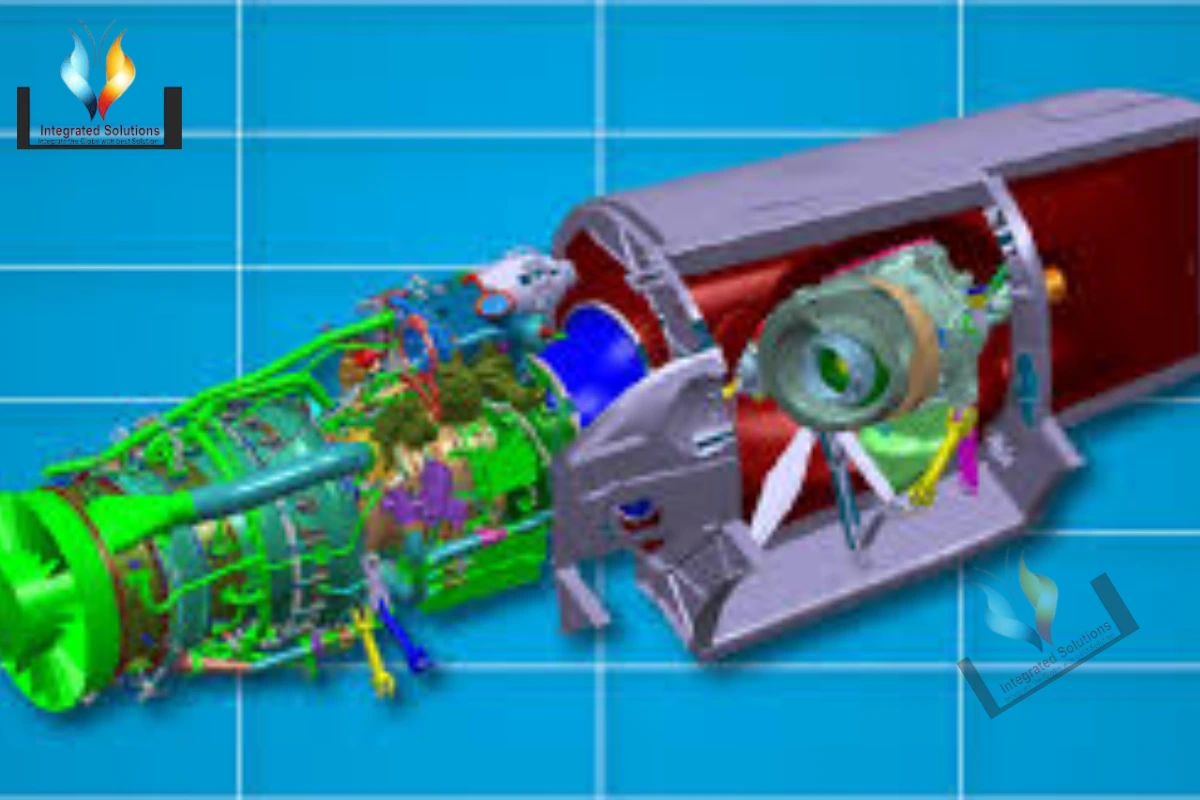
The aerospace industry has precise manufacturing requirements, with a need for lightweight components. CAE is used to optimize weight with strength, which is made possible with sophisticated simulations. CAD provides a means to conduct surface modeling for aerodynamic components, with CAM providing highly precise machining of critical aircraft components that need a certain level of precision.
🏭 Industrial & Heavy Engineering
In industries such as heavy engineering, CAD helps design mechanical systems for heavy components. CAE is used for simulating heavy loading, fatigue, and endurance, which are common in such components. CAM helps automate CNC machining, which is used to increase efficiency in machining heavy components.
📱 Consumer Products Manufacturing
In consumer product goods, the need for speed, as well as aesthetics, is a top priority. CAD provides the means to quickly iterate designs, resulting in pleasing product models. CAE facilitates the verification of product durability, functionality, and usability, whereas CAM helps in easy mass production of products with consistent quality.
📈 Business Benefits of Using CAD, CAM, and CAE
From a business perspective, these systems of CAD, CAM, and CAE provide some very real, longer-term benefits, including cost savings, efficiency gains, and higher-quality products in ever-more competitive markets.
With CAD, businesses decrease the number of design errors and save money and time spent on reworks. CAE enables virtual testing and optimization, thus reducing the need for several physical prototypes. CAM automates the manufacturing processes and reduces machine downtimes and production wastes. All put together, these tools create a seamless workflow that enhances overall operational performance.
Business Benefits of Using CAD, CAM, and CAE
In addition to cost and efficiency benefits, CAD, CAM, and CAE will significantly enhance the quality of products and customer satisfaction. Well-designed, tested, and manufactured products have fewer defects, better performance, and foster much stronger customer trust. Companies that invest in these technologies will clearly gain a competitive advantage through faster innovation and reliable production.
Key Business Benefits:
💰 Reduced development and production costs.
⏳ Shorter time-to-market for new products.
📉 Fewer manufacturing errors and rework.
🏆 Quality and consistency: A higher quality end product.
🤝 Improved consumer satisfaction and brand trust.
🔮 CAD, CAM, and CAE in the Future of Manufacturing
Manufacturing is moving toward smart factories and digital twins. CAD, CAM, and CAE will continue evolving with:
🤖 AI-driven design optimization
🧠 Automated simulation and analysis
🌐 Cloud-based collaboration
🏭 Industry 4.0 integration
These technologies will remain the foundation of modern and future manufacturing systems.
🧩 Why Integrated CAD, CAM, and CAE Services Matter
Having one partner who can deliver a one-stop solution for CAD, CAM, and CAE-related tasks streamlines the product development process. This is because there are no communications breakdowns when design, simulation, prototyping, and manufacturing are dealt with from a single location.
An integrated approach means that design is consistent with the capabilities of the production process from the earliest stages. CAD engineers produce a precise design, a performance check is carried out by CAE engineers with the use of simulation, and preparation of a machining program for production is done by CAM engineers.
The use of an integrated service provider enhances the quality of work as well as minimizes project risks. This is because of the shared workflows, responsibility, and accountability, which result in superior results with predictability on timelines. In this way, thoughts are developed into manufacturable product offerings with precision.
Major Benefits of Integrated Services:
- 💬 Effective communication throughout the project process.
- ⚡ Faster execution from concept to production.
- 🏆 End-to-end quality design and product manufacturing.
- 🛡️ Lower risks in projects, fewer surprise problems.
An overall solution involving CAD, CAM, and CAE is required for organizations that look for efficient, high-quality, and scalable solutions for manufacturing.
What is CAD, CAM, and CAE in manufacturing?
CAD is used for product design, CAM is used for manufacturing and CNC machining, and CAE is used for engineering simulation and analysis in modern manufacturing.
How do CAD, CAM, and CAE work together?
CAD creates the digital design, CAE validates the design through simulation, and CAM converts the final design into machine instructions for production.
Why is CAD important in modern manufacturing?
CAD improves design accuracy, reduces errors, enables fast design changes, and ensures better communication between design and manufacturing teams.
What role does CAM play in CNC machining?
CAM software generates CNC toolpaths from CAD models, automates machining operations, and improves production speed and precision.
How does CAE help reduce manufacturing failures?
CAE simulates real-world conditions such as stress, heat, and vibration, allowing engineers to identify and fix design issues before production.
Which industries use CAD, CAM, and CAE the most?
Automotive, aerospace, industrial equipment, consumer products, and medical device industries rely heavily on CAD, CAM, and CAE technologies.
Can CAD, CAM, and CAE reduce manufacturing costs?
Yes, these tools reduce design errors, minimize rework, shorten development time, and optimize material usage, lowering overall manufacturing costs.
What is the difference between CAD and CAE?
CAD focuses on creating designs and models, while CAE focuses on analyzing and testing those designs for performance and reliability.
Is CAM required for modern manufacturing?
Yes, CAM is essential for automated CNC machining, ensuring consistent quality, accuracy, and efficient production processes.
How do CAD, CAM, and CAE support Industry 4.0?
These technologies enable digital workflows, smart manufacturing, automation, simulation, and data-driven decision-making in Industry 4.0 environments.