🚀 Rapid Prototyping Services The Complete Guide to Faster, Smarter Product Development
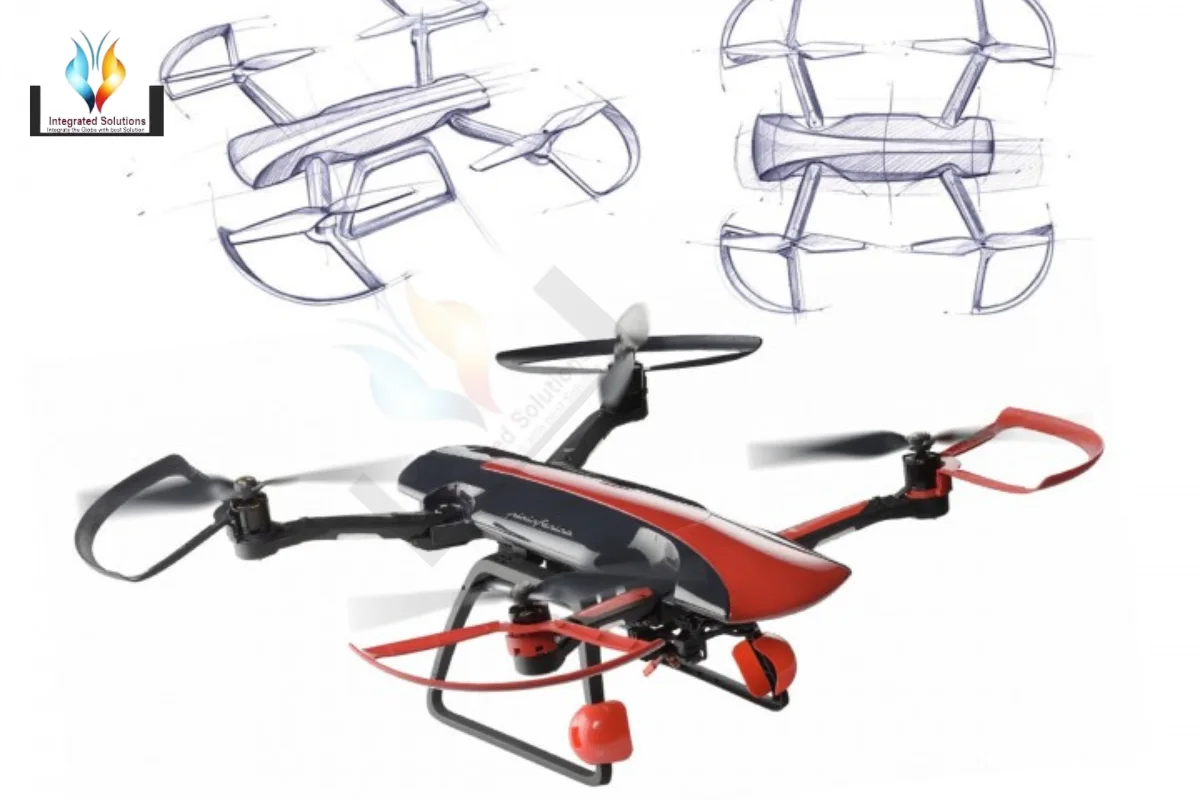
In today’s fast-paced world of manufacturing, firms have to move at a fast pace, innovate with speed, and minimize development costs. Rapid prototyping has made such processes possible by converting ideas into physical products in days instead of months.
The guide provides the key benefits, methods, and advantages of rapid prototyping-a model supported by simple icons to communicate instantly what is being said in each section.
📌 What Is Rapid Prototyping?
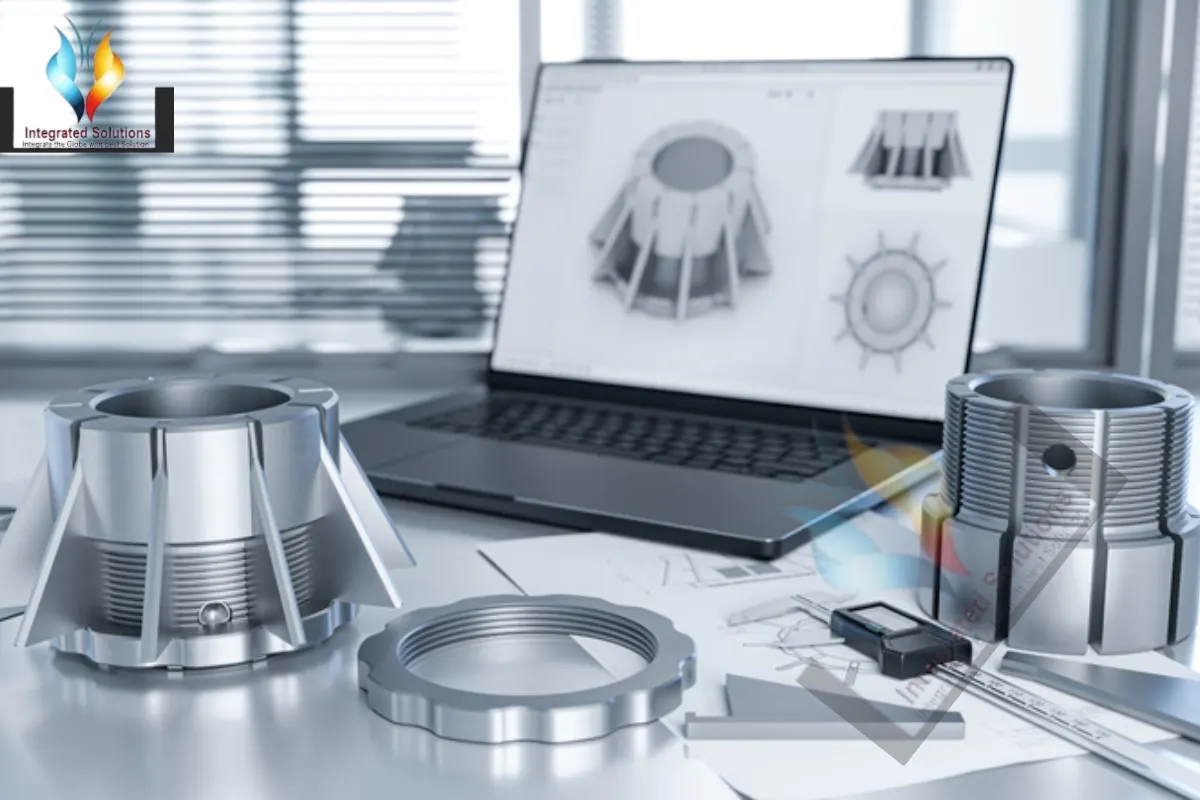
Rapid prototyping is a fast and cost-effective way to create physical models or working parts from a product design. It uses modern manufacturing technologies like:
🖨️ 3D Printing – for quick and detailed prototypes.
⚙️ CNC Machining – for strong and precise parts.
🧪 Vacuum Casting – for small batches with smooth finishes.
🏗️ Additive Manufacturing – for complex shapes without tooling.
These methods help engineers and businesses test, validate, and improve their designs early in the development process—without the high cost of traditional molds or tooling.
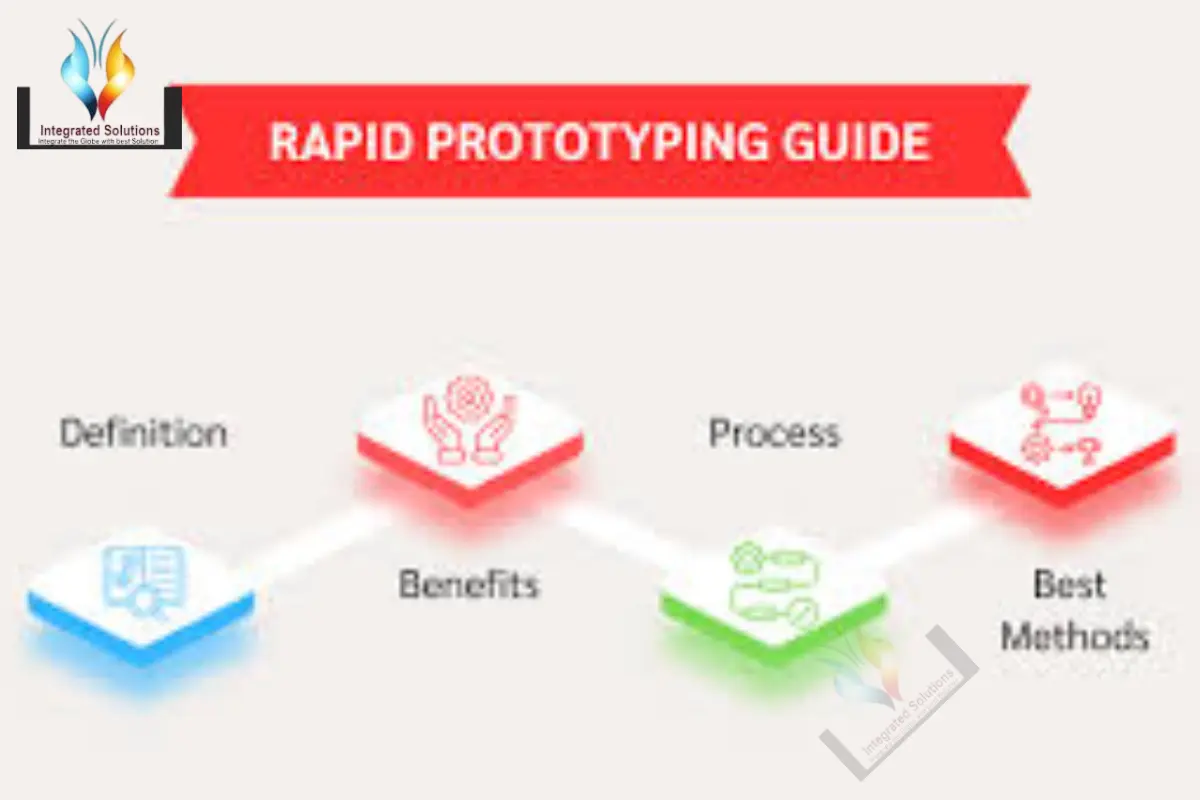
Best way Rapid Prototyping guide
📅 Why Rapid Prototyping Matters
Rapid Prototyping is today an integral concept within product development due to its immense benefits, some of which include:
⚡ Faster Design Cycles – quickly turn ideas into physical models.
💰 Lower Development Risks – test designs early to avoid costly mistakes.
👁️ Early Design Visibility – see and review product concepts sooner.
📉 Reduced Manufacturing Costs – no need for expensive molds or tooling.
✔️ Better Product Quality – improve designs with real-world testing.
🏁 Faster Time-to-Market – move from concept to production more efficiently.
Rapid prototyping gives companies a strong competitive edge, helping them innovate faster and deliver better products.
🛠️ Types of Rapid Prototyping Services
Below is a simple table with clear icons so users and search engines can understand the differences instantly:
| Method | Best For | Key Advantages |
|---|---|---|
| 🖨️ 3D Printing | Concept models, functional parts | Fast, detailed, low cost |
| ⚙️ CNC Machining | Metal / plastic engineering parts | Production-grade strength and precision |
| 🧪 Vacuum Casting | Low-volume production | Smooth finish, accurate details |
| 🛡️ Sheet Metal Prototyping | Brackets, enclosures, industrial parts | Durable and strong |
| 🧰 Injection Mold Prototypes | Pre-production testing | Perfect for market-ready samples |
✨ Key Benefits of Rapid Prototyping Services
Here are down show key benefits of rapid prototyping services i hope you easily understand for keybenift for rapid protoyping services.
⚡ 1. Faster Product Development
Rapid prototyping ensures that ideas are converted into real models within hours or days. This may reduce the total development time by as high as 70%, thus enabling companies to bring their new products to market faster.
💰 2. Reduced Production Cost
It helps the company save money, mainly because rapid prototyping does not need molds or expensive tooling in the early stage. It also cuts down on:
📉 Extra material waste
❌ Costly design mistakes
🔄 Multiple redesigns
By cutting time, cost, and errors, rapid prototyping makes the development process smoother, cheaper, and more efficient.
6 rapid prototyping technologies
🎯 3. Improved Design Quality
A tangible prototype will make it easier to analyze and improve the design. It will be easy for engineers and designers to analyze:
📐 Shape
🔧 Fit
🧪 Function
👋 User ergonomics
4. Functional and Mechanical Testing
Rapid prototyping also helps evaluate how the product will work under real-world operating conditions. These include testing:
- 💪 Strength
- 🛡️ Durability
- 🔥 Temperature resistance
- 📉 Stress and load performance
These tests help identify potential failures before mass production—saving time, money, and reducing risk.
💬 5. Better Communication With Teams & Clients
A physical prototype makes it much easier for everyone to understand the product idea. Unlike digital drawings, a real model helps teams and clients clearly see:
👨💼 Investors
👨🔧 Engineers
🛒 Customers
👔 Managers
This improves feedback, reduces confusion, and keeps everyone aligned throughout the development process.
🏁 6. Faster Time-to-Market
In today’s competitive market, speed matters. Rapid prototyping helps companies create, test, and refine products much faster—often launching months earlier than traditional methods allow. This gives businesses a strong advantage and helps them capture market opportunities before competitors.
🏗️ How Rapid Prototyping Supports Full Manufacturing
One of the biggest benefits of rapid prototyping is how easily it connects to full-scale production. When design, prototyping, and manufacturing happen within the same workflow, companies get a smoother and more efficient process.
This integrated approach (👉 Design → Prototype → Production) delivers:
⏱️ Fewer delays
⚙️ Higher engineering quality
💬 Better team communication
🚀 Faster production cycles
🛠️ Optimized manufacturability
This makes rapid prototyping ideal for businesses that want one trusted partner to handle the entire product lifecycle—from idea to mass production.
🏭 Rapid Prototyping for Different Industries
Here we demonstrate how to use rapid prototyping for different industries, and below we provide a table showing the industry name, application, key benefits, and the technology used.
| Industry | Uses | Key Benefits | Technologies |
|---|---|---|---|
| 📱 Consumer Products | Check product design, ergonomics, and visual appeal early | Faster design validation, reduced errors, improved user experience | 3D Printing, Vacuum Casting |
| 🚗 Automotive | Test strength, functionality, and precision parts | High-quality prototypes, safer designs, faster iterations | CNC Machining, 3D Printing |
| ⚙️ Industrial Equipment | Validate mechanical performance, assembly fit, and durability | Reduced assembly errors, optimized parts, stronger products | CNC Machining, Sheet Metal Prototyping |
| 🩺 Medical Devices | Ensure safety, usability, and regulatory compliance | Reliable testing, safer products, faster approvals | 3D Printing, Vacuum Casting |
| ✈️ Aerospace | Produce lightweight, high-precision components | Reduced weight, strong performance, precise parts | CNC Machining, Additive Manufacturing |
🔮 The Future of Rapid Prototyping
Rapid prototyping is evolving fast. Future technologies are set to transform product development, making it faster, smarter, and more precise. Key innovations include:
🤖 AI-Driven Design – Use artificial intelligence to generate optimized product designs automatically.
🧩 Multi-Material 3D Printing – Combine different materials in a single prototype for real-world testing.
🪶 Lightweight Metal Additive Manufacturing – Create strong yet lightweight components for aerospace, automotive, and more.
🚀 Automated Prototyping Workflows – Streamline design-to-prototype processes, reducing time and errors.
🖥️ Digital Twins – Build virtual replicas of products to simulate performance before physical production.
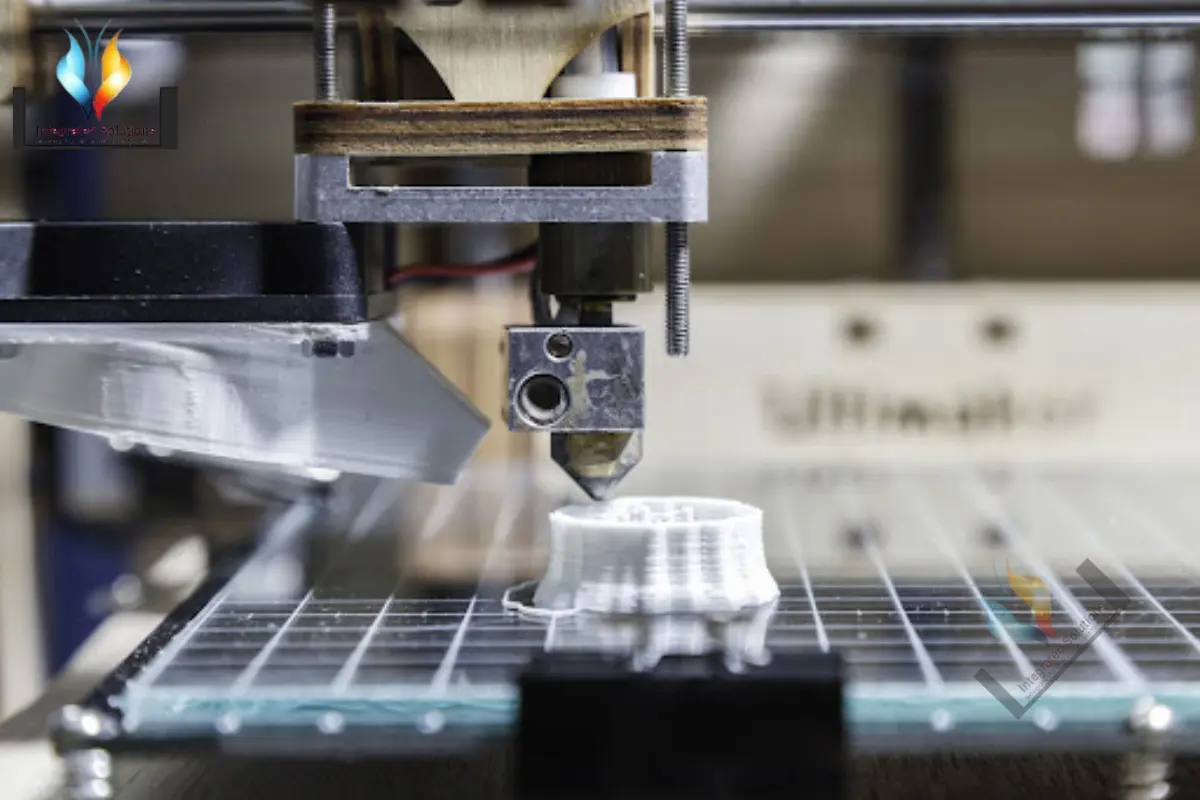
Rapid prototyping in india
🔷 Generative Design – Automatically explore thousands of design alternatives for the best performance and efficiency.
These advancements will speed up development, improve product quality, and enable innovation like never before, keeping businesses ahead in 2025 and beyond.
🏆 Why Choose Integrated Rapid Prototyping Services
By working with an integrated rapid prototyping service provider, your product goes from concept to market more efficiently. The advantages include:
- 👥 One Team for Design, Engineering, Prototyping & Production – Smooth collaboration under a single roof.
- 💬 Faster Communication – Quick responses with fewer misunderstandings.
- 🎯 Better Accuracy – Accurately made prototypes with a high degree of accuracy.
- ⏱️ Smaller Delays: Fast iteration cycles ensure your project stays on track.
- 🏗️ Smoother Transition to Full Manufacturing – Seamless handoff from prototype to mass production.
With integrated services, your product is market-ready faster, with fewer errors and lower costs—giving your business a strong competitive edge.