🏭 Top 10 CNC Machining Mistakes & How to Avoid Them Full Guide
CNC machining is one of the most dependable manufacturing methods used across industries such as automotive, aerospace, medical, robotics, defense, and industrial machinery. With the ability to deliver high precision, tight tolerances, excellent surface finishing, and repeatable quality, CNC machining powers a huge part of modern manufacturing.
However, even the best CNC machines can produce poor results if the process is not managed correctly. A small mistake in programming, tooling, material selection, or setup can lead to wasted time, damaged tools, scrapped components, and higher production cost.
This blog explains the top 10 CNC machining mistakes and how to avoid them—written in a simple, clear, human-friendly style that both users and search engines understand. Whether you work with CNC Milling, VMC Machining, CNC Turning, or 5-Axis machining, these insights help you improve accuracy, efficiency, and overall manufacturing performance.
🔧 1. Choosing the Wrong Material
Selecting the right material is essential for getting accurate and high-quality CNC machined parts. Every material has its own characteristics—such as machinability, hardness, heat resistance, and strength—which affect how it reacts during machining.
❌ Using the wrong material can cause:
🪵 Poor surface finish
🛠️ High tool wear
⚠️ Dimensional errors
💸 Increased manufacturing cost

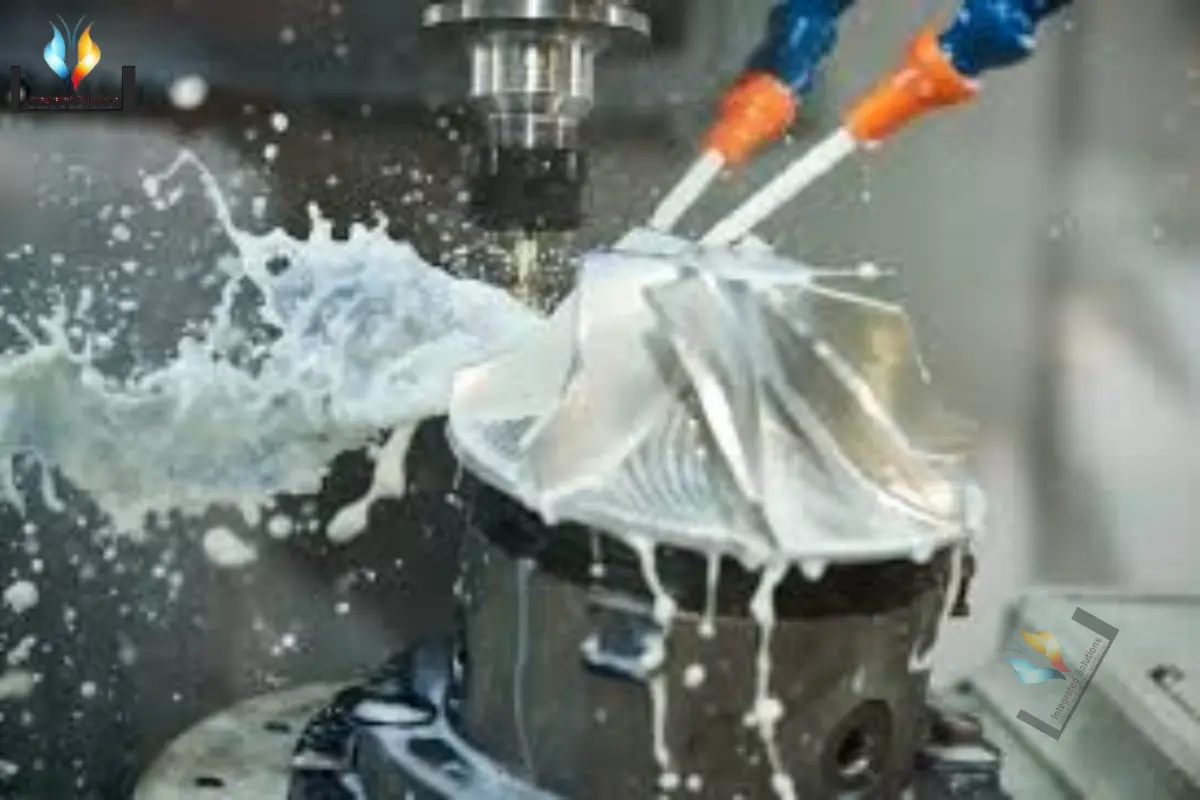
High precision CNC machining process showing milling operation on metal component
✅ Before creating your toolpath, always check:
📘 Material specifications
🔥 Heat resistance
🧱 Hardness levels
⚙️ Machinability rating
Choosing the correct material ensures smooth cutting, longer tool life, better tolerance control, and consistent final quality.
⚙️ 2. Incorrect Feed & Speed Settings
Setting the right RPM (speed) and feed rate is crucial for smooth and accurate CNC machining. When these parameters are incorrect, the machine and tool cannot cut efficiently.
❌ Wrong feed or speed can cause:
🔊 Chatter and vibration
🛠️ Tool breakage
🪒 Rough surface finish
🔥 Excessive heat buildup
💰 Increased machining cost
To avoid these issues, always:
📏 Follow tool manufacturer recommendations
🖥️ Use CAM software simulation
⚙️ Adjust parameters based on material type
🔍 Monitor tool performance during initial cuts
Correct feed & speed settings ensure longer tool life, smoother surfaces, and precise machining results.
🧱 3. Poor Workholding & Clamping
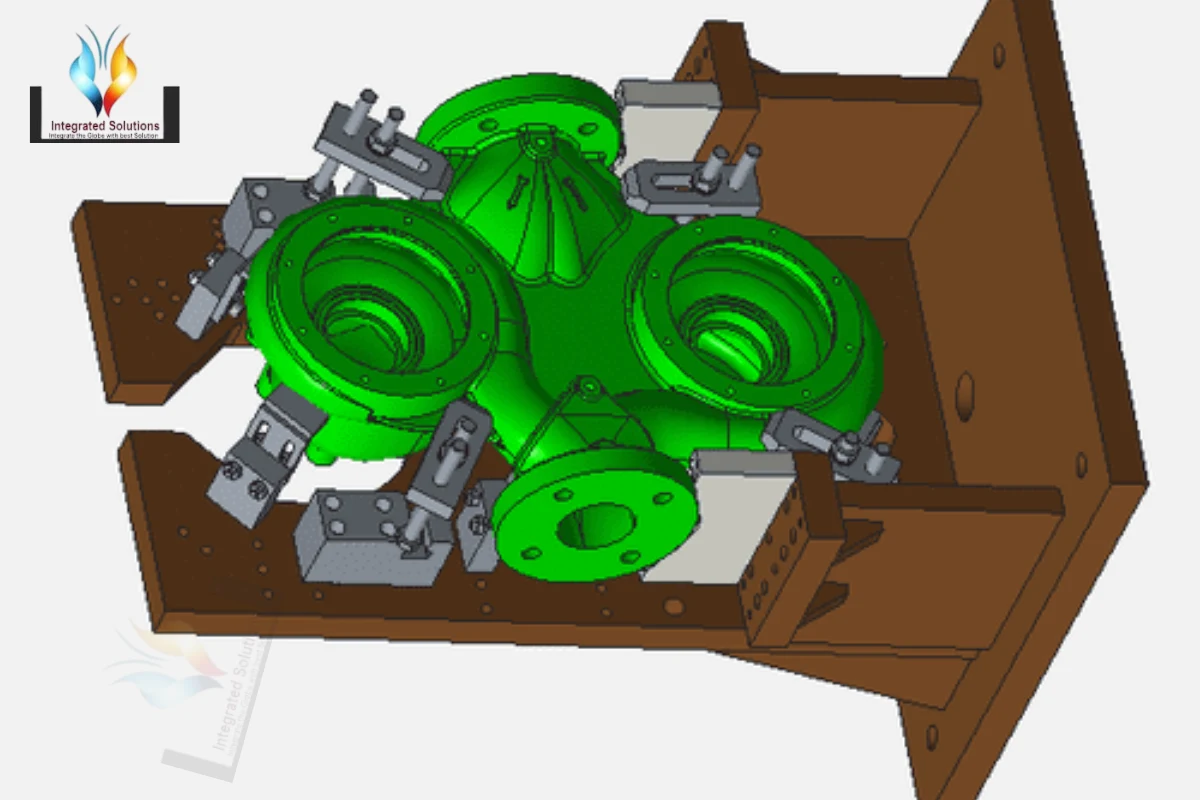
Proper workholding is essential for accuracy, stability, and safety during CNC machining. When a part isn’t clamped firmly, it can shift or vibrate, causing errors and even total part failure.
❌ Poor clamping leads to:
🔊 Vibration during cutting
📉 Dimensional inaccuracy
🪵 Poor surface finish
💔 Part damage or tool breakage
⏱️ Longer machining time
To prevent these issues, always:
🗜️ Use high-quality vises, jigs, and fixtures
📏 Ensure even clamping pressure
🧩 Use soft jaws for delicate or custom shapes
🔍 Recheck workpiece stability before machining starts
Strong workholding ensures precision, safety, and consistent results in every machining cycle.
🧱 3. Poor Workholding & Clamping
Proper workholding is essential for accuracy, stability, and safety during CNC machining. When a part isn’t clamped firmly, it can shift or vibrate, causing errors and even total part failure.
❌ Poor clamping leads to:
🔊 Vibration during cutting
📉 Dimensional inaccuracy
🪵 Poor surface finish
💔 Part damage or tool breakage
⏱️ Longer machining time
To prevent these issues, always:
🗜️ Use high-quality vises, jigs, and fixtures
📏 Ensure even clamping pressure
🧩 Use soft jaws for delicate or custom shapes
🔍 Recheck workpiece stability before machining starts
Strong workholding ensures precision, safety, and consistent results in every machining cycle.
🌀 5. Ignoring Tool Wear
Monitoring tool wear is crucial for maintaining precision, surface quality, and machining efficiency. When tools become dull or worn out, they no longer cut cleanly, leading to multiple machining defects.
❌ Worn tools often cause:
🪓 Burrs and rough surfaces
📉 Out-of-tolerance dimensions
🔥 Excess heat and tool vibration
🕒 Slower machining and higher rejection rates
To avoid these problems, make sure to:
🔍 Inspect cutting tools regularly
📊 Track tool life in your CAM software
🔧 Replace inserts or end mills before they fail
🏭 Use coated tools for long production runs
Consistent tool monitoring ensures higher accuracy, smoother finishes, and improved productivity in every CNC machining operation.
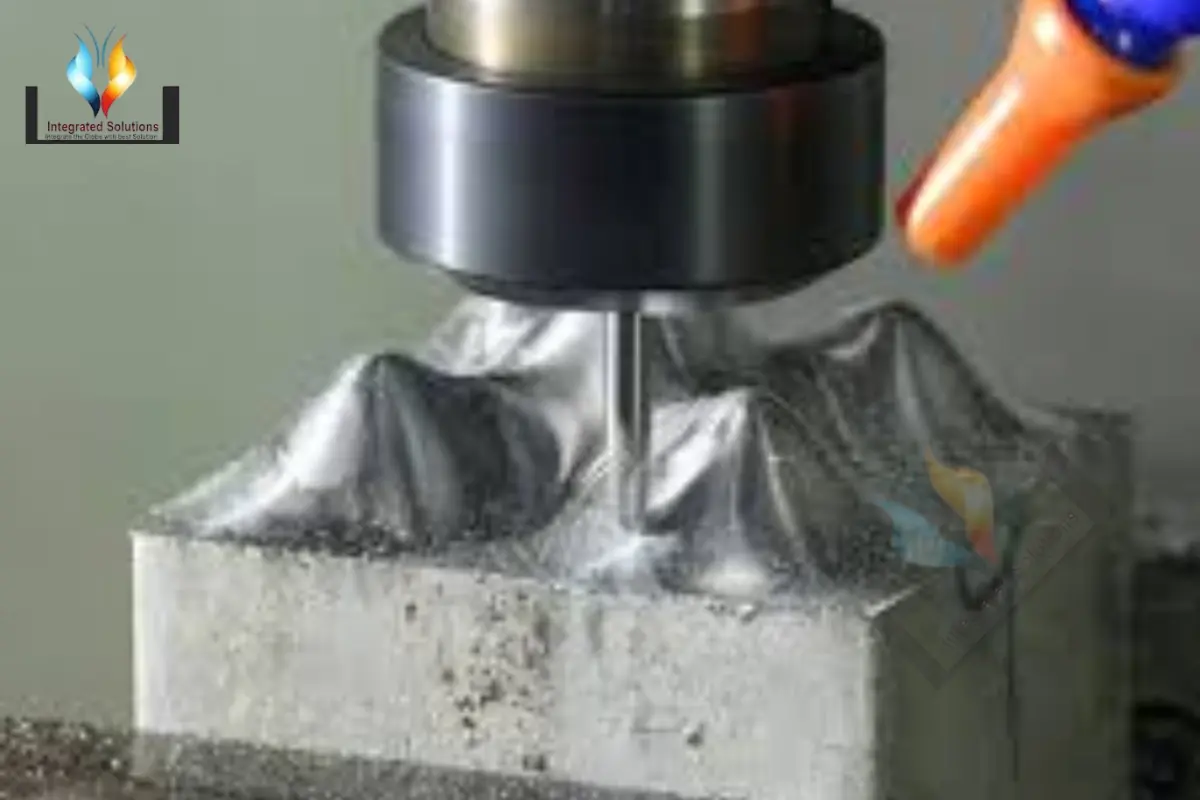
VMC CNC Milling Machine Cutting Aluminum Part With High Accuracy Tooling
💻 6. Programming Errors in CAM
CAM programming mistakes are one of the most common causes of machine crashes, scrap parts, and wasted production time. Even a small error in your toolpath can lead to serious machining issues.
❌ Common CAM programming errors include:
⚠️ Incorrect toolpath directions (climb vs conventional)
📏 Wrong Z-levels or depth of cut
🎯 Incorrect offsets or tool numbers
🔁 Improper step-over and step-down values
These issues can cause:
💥 Machine collisions
🕳️ Gouging and unexpected cuts
🕒 Longer machining time
💸 Higher tooling and production costs
To prevent programming mistakes:
▶️ Always run a full CAM simulation
🔍 Double-check tool numbers and offsets
📐 Verify cutting parameters before posting G-code
💾 Save versioned backups of your CAM file
Proper CAM programming ensures safer machining, higher accuracy, and optimal production efficiency.
📏 7. Unnecessary Tight Tolerances
Many beginners make the mistake of adding extremely tight tolerances even when they aren’t needed. This increases machining difficulty, extends cycle time, and significantly raises production cost.
Tight tolerances should only be used when the part functionally requires high precision—such as for mating components, bearing fits, or critical alignment.
⚠️ When tolerances are too tight:
🕒 Machining takes longer
💸 Manufacturing cost increases
🔧 More tool changes and inspections are required
❌ Higher risk of part rejection
✔️ Tip: Keep tolerances realistic and apply close tolerances only where absolutely necessary. This ensures efficient machining, lower cost, and consistent quality.
💧 8. Insufficient Coolant Flow
Coolant is essential in CNC machining because it reduces heat, improves chip evacuation, and enhances surface finish. When coolant flow is low or improperly directed, the tool overheats, chips stick to the cutter, and surface quality drops.
⚠️ Problems caused by poor coolant flow:
🔥 Excessive heat buildup
🪵 Poor chip removal and chip recutting
❌ Rough or burned surface finish
🛠️ Faster tool wear or tool breakage
✔️ Best Practices:
💦 Keep coolant nozzles clean and properly aligned
🔄 Use the correct coolant mixture for each material
🧪 Regularly check coolant concentration and contamination
🧹 Replace or filter coolant as needed
Maintaining proper coolant flow ensures longer tool life, smoother finishes, and more stable machining performance.
✨ 9. Incorrect Surface Finish Requirements
Not every part of a component needs a high-grade surface finish. Applying fine finishing passes on non-critical areas wastes machining time, increases costs, and puts unnecessary load on your tools.
⚠️ What happens with unnecessary finishing:
⏱️ Longer cycle time
🛠️ Higher tool wear
💸 Increased production cost
🔄 Reduced machine efficiency
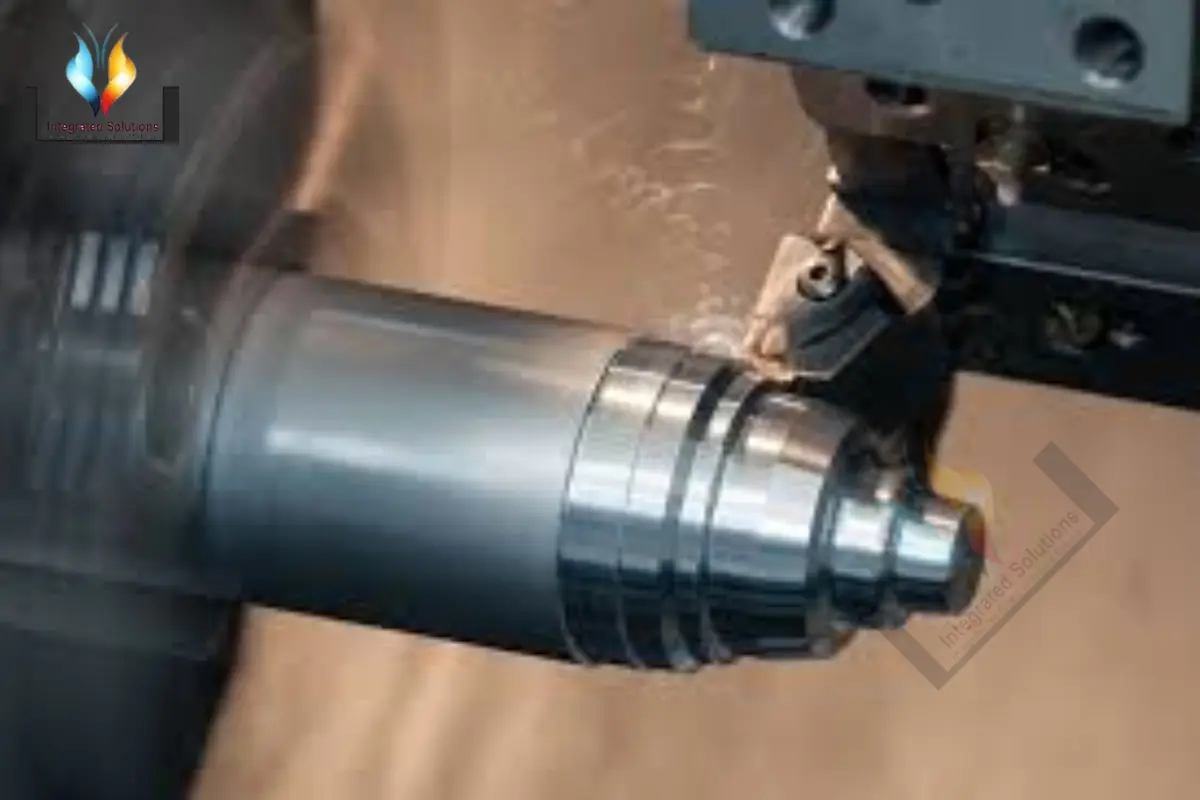
CNC Turning Machine Producing Cylindrical Components With Automated Cutting Tools
✔️ Best Practices:
🎯 Apply fine finishing only on functional or mating surfaces
📏 Use customer drawings to identify critical finish zones
⚙️ Choose the right tool and toolpath for the required finish
🔍 Avoid over-polishing areas that do not affect performance
By focusing finishing efforts where they matter most, you ensure better productivity, reduced tool wear, and optimal cost efficiency.
🎯 10. Skipping Final Inspection
Final inspection is a critical quality control step in CNC machining. Skipping it can lead to defective parts, rejected batches, and costly rework.
⚠️ What happens when you skip inspection:
❌ Parts go out of tolerance
📦 Increased chances of customer rejection
💸 Higher rework and scrap cost
🕒 Delays in delivery schedules
✔️ Best Practices:
📏 Use precision tools like micrometers, vernier calipers, height gauges, and bore gauges
🛠️ Check critical dimensions before releasing parts
🧪 Use CMM (Coordinate Measuring Machine) for high-accuracy components
📝 Maintain inspection reports for traceability
By performing a thorough final inspection, you ensure consistent quality, reduced rework, and higher customer satisfaction—making your machining process more reliable and efficient.
| ⚙ CNC Machining Process | 📌 Description | 🌍 Applications |
|---|---|---|
| 🛠 CNC Milling / VMC | Used to create prismatic parts, pockets, slots, and complex 3D shapes with high accuracy. | Automotive, aerospace, robotics, medical components |
| 🔄 CNC Turning | Ideal for cylindrical components such as shafts, pins, rollers, and threaded parts. | Machinery, industrial equipment, automotive systems |
| 🤖 5-Axis CNC Machining | Enables machining from multiple angles for parts with complex geometries and tight tolerances. | Aerospace, medical implants, defense hardware |
| 🔩 CNC Drilling & Tapping | Used for precise hole-making, threading, and preparation of assembly-ready components. | Mechanical assemblies, electronics, tooling |
| 🏗 Material Supported | Aluminum, steel, stainless steel, copper, brass, titanium, engineering plastics. | All industrial sectors that require precision parts |
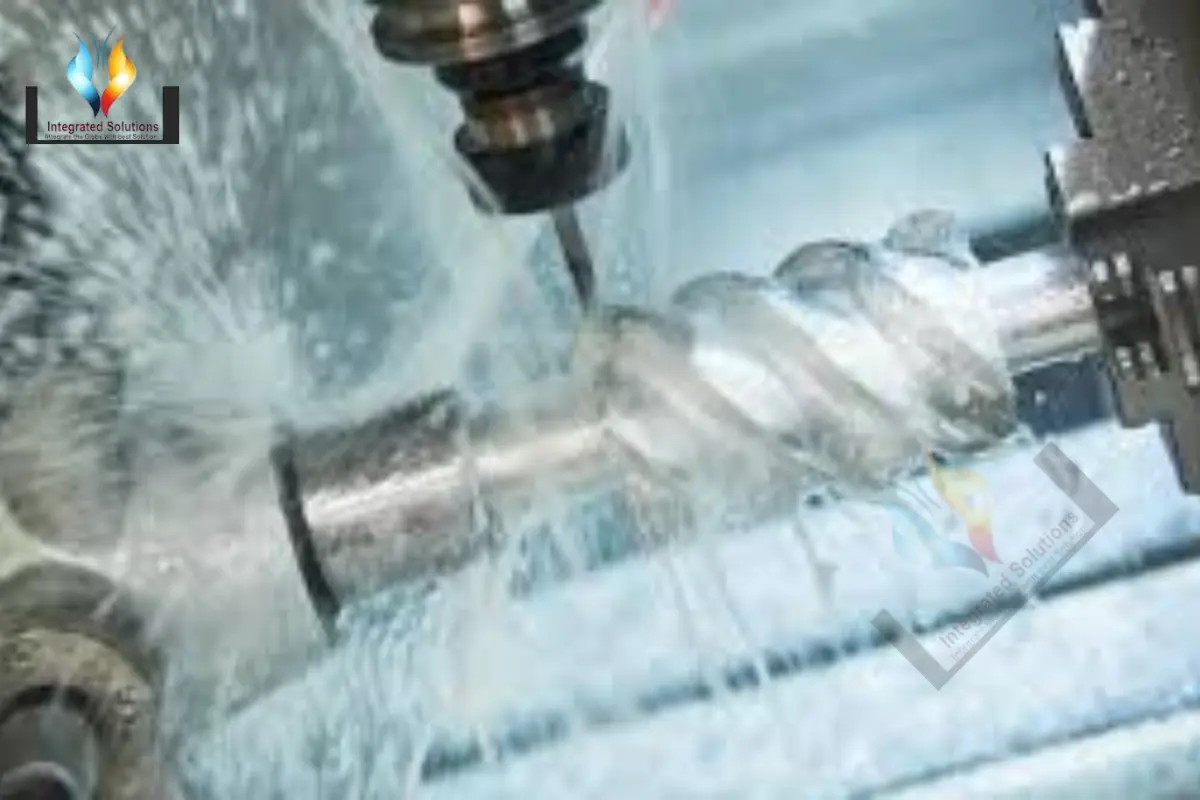
CNC Milling & CNC Job Work
🚀 Why CNC Machining Will Lead the Future of Manufacturing
CNC machining is rapidly becoming the backbone of modern manufacturing because it offers exceptional accuracy, high repeatability, and the ability to produce complex parts with minimal error. From automotive and aerospace components to medical implants and industrial machinery parts, CNC technology ensures consistent quality at any production scale.
Manufacturers worldwide prefer CNC machining because it reduces human errors, increases production speed, lowers manufacturing costs, and works efficiently with metals, alloys, and engineering plastics.
As industries move toward automation and high-precision production, CNC machining remains the most reliable, scalable, and future-ready manufacturing solution.
📌 Choosing CNC Machining for Your Next Project
For projects that demand consistent quality, precise engineering, and world-class accuracy, CNC machining is the go-to solution. 🌟 With its ability to handle high-precision prototypes as well as large-volume production, CNC technology gives businesses a competitive edge in speed, cost-efficiency, and reliability.
Industries worldwide trust CNC machining for complex parts, tight tolerances, and repeatable performance. 🛠️ By leveraging CNC machining, your components will meet strict engineering standards and perform flawlessly in real-world applications, from automotive and aerospace to medical and industrial machinery. 🌍