🏭 What is CNC Machining? Complete Guide to Process, Types, Advantages & Applications
Below are simple concepts of CNC machining and its uses. Below is your complete guide to CNC machining and its processes, and below are the benefits and uses of CNC machining. We hope you have a better understanding of CNC machining after reading this.
🔧 Introduction to CNC Machining
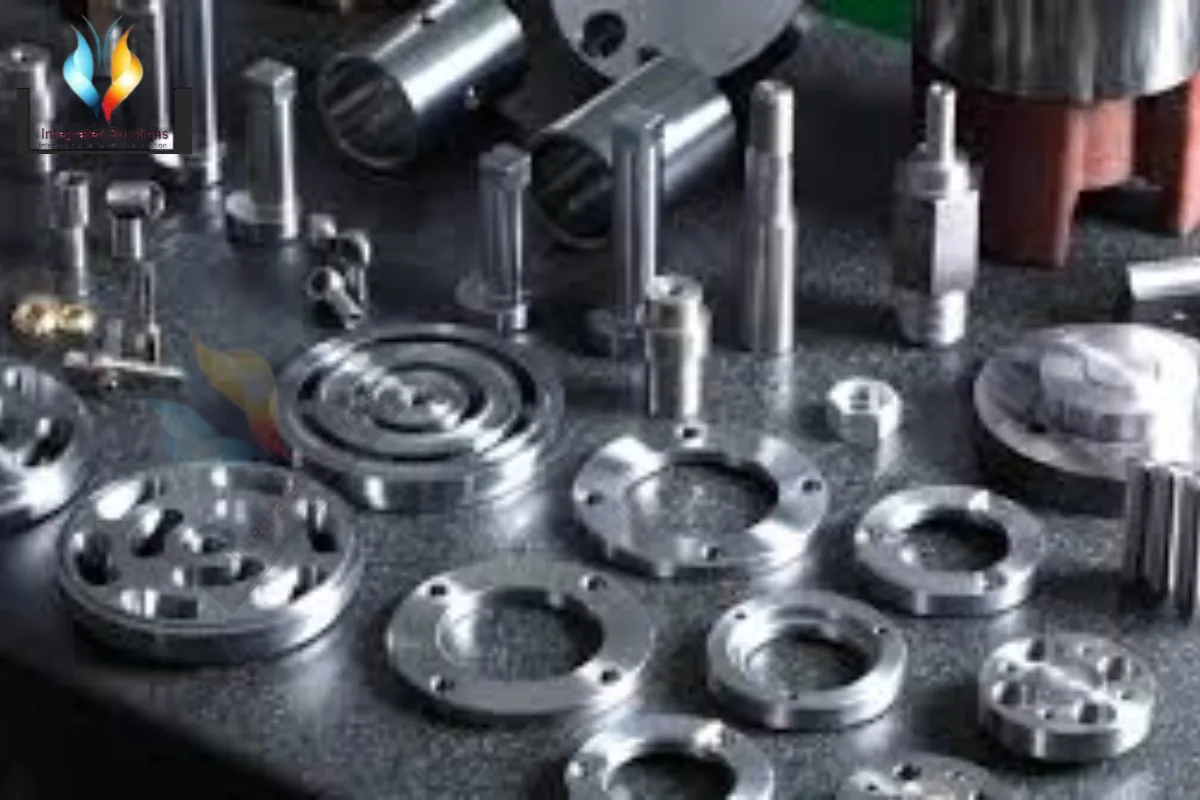
CNC machining is an advanced, computer-controlled manufacturing process used to create high-precision and high-quality components. CNC stands for Computer Numerical Control, where machines like CNC Milling, CNC Turning, VMC, and 5-Axis Machining cut and shape raw materials into final accurate parts using automated G-code programming.
CNC machining plays a major role in modern manufacturing across industries including:
🚗 Automotive, ✈ Aerospace, 🏥 Medical, 🤖 Robotics, 🔋 Electronics, 🛡 Defense, and 🏭 Industrial Machinery.
🌍 Why CNC Machining Is Important Today
CNC machining has become one of the most essential and widely used technologies in modern global manufacturing because it offers unmatched precision, reliability, and production efficiency. It ensures micron-level accuracy, excellent repeatability in every production cycle, and superior surface finishing compared to manual machining methods.
With automated control and advanced programming, CNC machining enables:
🎯 Ultra-high precision and tight tolerances for complex parts.
Best Guide For CNC Machining Process
🔁 Consistent repeatability for large-volume production.
✨ Premium surface finishing and improved product quality.
⚡ Faster machining and high productivity with reduced lead time.
💰 Lower manufacturing cost by minimizing human error and labor dependency.
🧰 Flexible machining for complex geometries and custom designs.
🧱 Processing of multiple materials, including steel, aluminum, titanium, brass, copper, and engineering plastics.
Thanks to these powerful capabilities, CNC machining is the preferred manufacturing solution for prototype development, small-batch production, and large-scale mass manufacturing across all modern industries.
🛠 How CNC Machining Works — Step-by-Step Process
CNC machining follows a structured and highly automated workflow to convert raw material into precision-engineered components. The entire process is designed to maintain accuracy, repeatability, and consistent product quality. Below is the step-by-step breakdown of how CNC machining works:
🔹 1️⃣ CAD Design (3D Modeling)
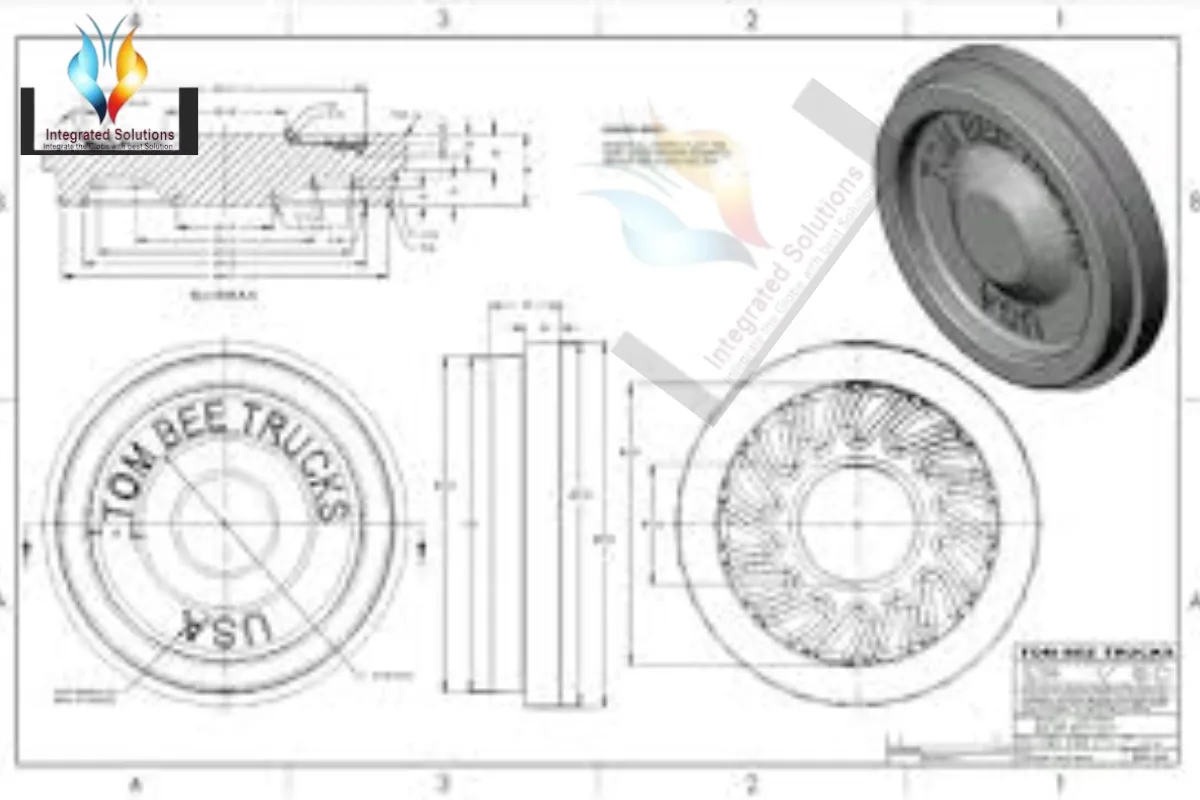
The CNC machining process begins with creating a 3D digital model of the part using CAD (Computer-Aided Design) software such as SolidWorks, CATIA, AutoCAD, Creo, or Fusion 360.
This model defines all dimensions, tolerances, and design details required for manufacturing.
🔹 2️⃣ CAM Programming (Toolpath Generation & G-Code)
The CAD model is imported into CAM (Computer-Aided Manufacturing) software, where tool paths and machining strategies are generated. The software automatically converts machining instructions into G-code, which controls machine movements such as feed rate, cutting depth, spindle speed, and tool positions.
🔹 3️⃣ Machine Setup & Tooling Preparation
The operator then mounts the raw material (workpiece) on a fixture or vice and installs the appropriate cutting tools (end mills, drills, inserts, etc.) into the CNC machine, followed by zero-point calibration and alignment.
🔹 4️⃣ Automated Machining Operation
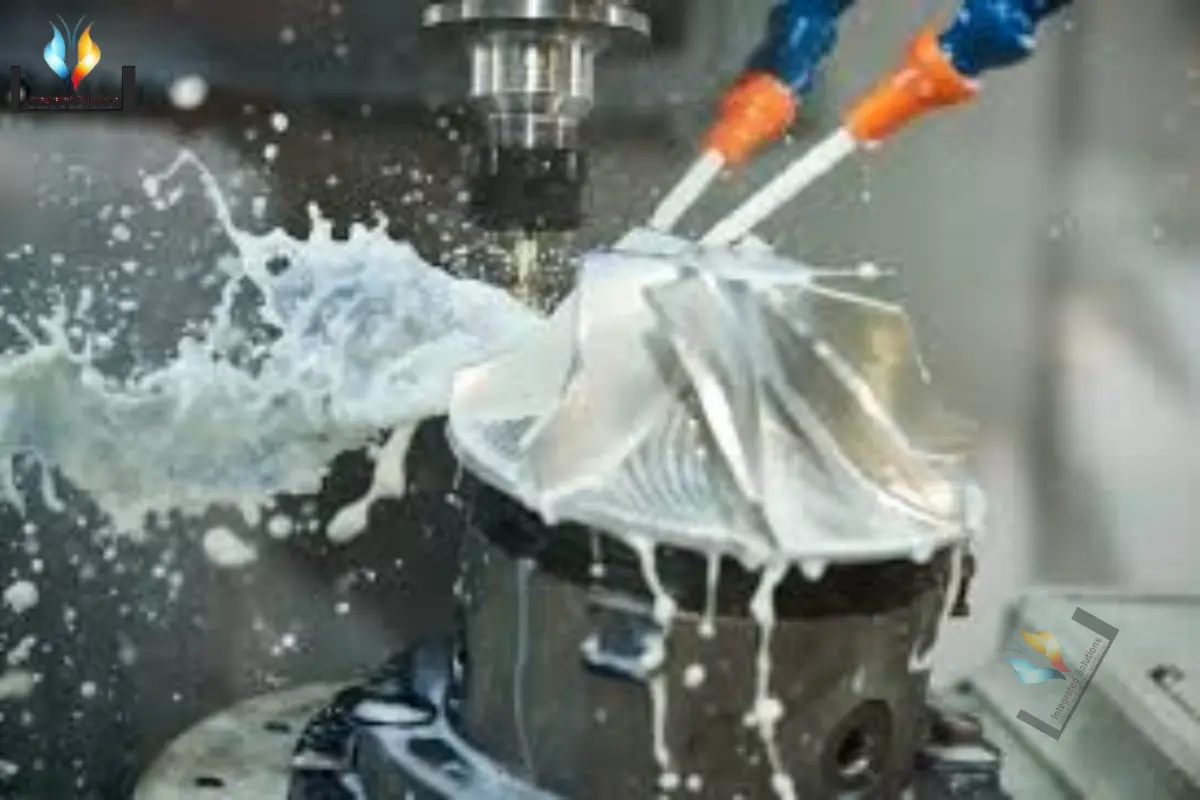
The CNC machine executes the programmed G-code to perform cutting processes like milling, turning, drilling, tapping, boring, slotting, and threading.
This automated cutting ensures high precision, accuracy, repeatability, and faster production.
🔹 5️⃣ Inspection & Quality Control
Each component undergoes strict quality checks using CMM machines, digital micrometers, height gauges, vernier calipers, and surface roughness testers to verify tolerances and accuracy as per customer requirements.
🔹 6️⃣ Surface Finishing & Post-Processing
After machining, finishing operations such as polishing, anodizing, bead blasting, powder coating, heat treatment, hardening, passivation, plating, and painting are applied to improve appearance, durability, and corrosion resistance.
⚙ Common Types of CNC Machining
Here are some common types of CNC machining to give you a clear understanding of the different types of CNC machining. We hope you can easily understand what we’re talking about with these common types of CNC machining.
🌀 CNC Turning
CNC Turning is used to manufacture round or cylindrical components by rotating the workpiece while a cutting tool shapes the material. It is ideal for producing shafts, pins, rollers, bushings, spacers, sleeves, and threaded parts with high accuracy and smooth surface finishing. CNC turning ensures fast production and tight tolerance control for both small and large batch quantities.
🧱 CNC Milling / VMC Machining
CNC Milling (also known as VMC – Vertical Machining Center) is used for complex 3D prismatic parts that require precise cutting, pocketing, slotting, contouring, and surface machining. It is widely used for automotive, aerospace, mold making, industrial machinery, and custom components, delivering accuracy for critical applications.
🛠 5-Axis CNC Machining
5-Axis CNC Machining enables the tool to move in five directions simultaneously, allowing machining of undercuts, deep cavities, and complex geometries in a single setup. This technology is essential for aerospace, medical implants, robotics, turbine blades, and high-performance engineering parts, reducing cycle time and improving dimensional stability.
🔩 CNC Drilling & Tapping
CNC Drilling and Tapping are used for precision hole making and thread formation in metal and plastic components. It ensures consistent hole depth, accurate positioning, and strong threaded connections for assemblies, brackets, plates, housings, and machinery components.
🏆 Key Advantages of CNC Machining
CNC machining offers several powerful benefits that make it one of the most reliable and advanced manufacturing technologies worldwide. Below are the major advantages explained clearly:
| 📁 Service Type | 📐 Deliverables | 🌍 Industry Applications |
|---|---|---|
| 🧾 Mechanical 2D Drafting | 📄 Assembly drawings, part drawings, GD&T, tolerances, BOM | 🏭 Automotive, machinery, fabrication, tooling |
| 🧱 3D Modeling & CAD Design | 📦 3D solid models, CAD conversions, STEP/IGES files | ✈ Aerospace, 🤖 robotics, 🏥 medical equipment, ⚙ automation |
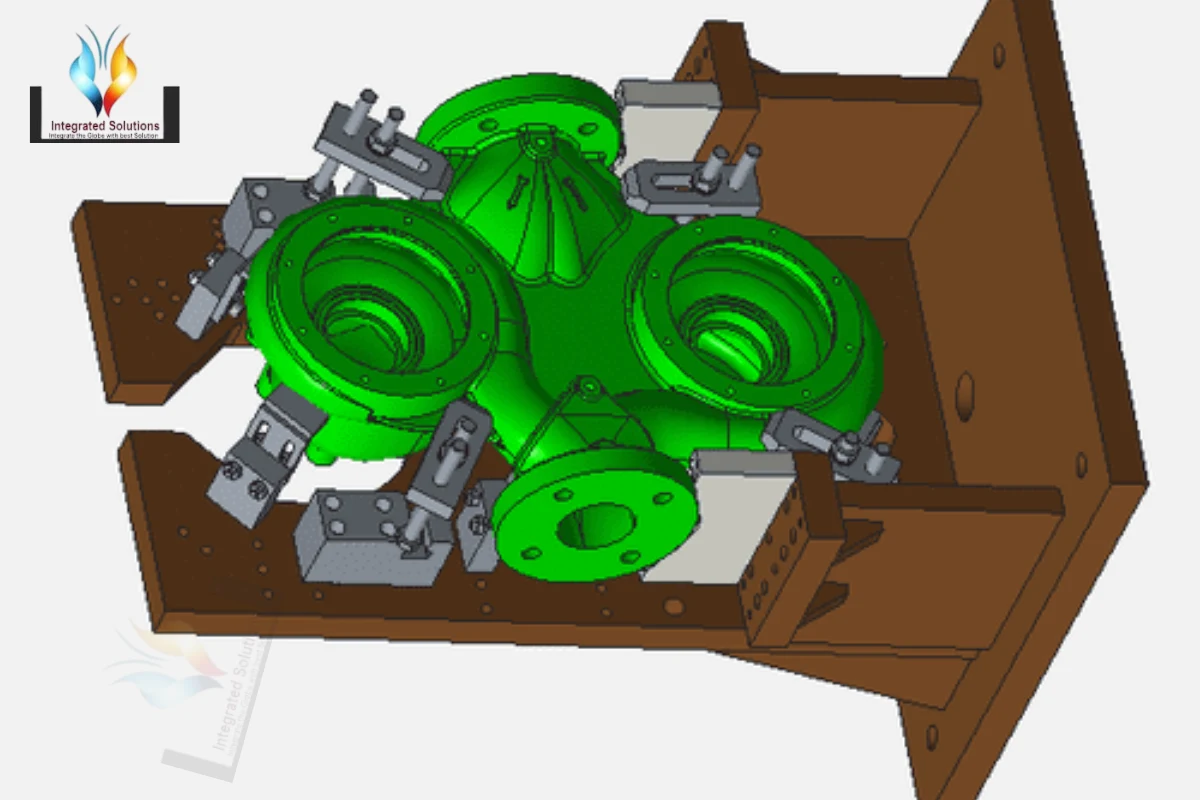
| 🛠 CNC & VMC Machining Setup | 📌 Fixture planning, machining strategy, CAM programming | 🔧 Precision components, 🧪 R&D prototypes |
| 📍 Jig & Fixture Design | 📐 3D assembly design, clamping strategy, manufacturing drawings | 🏗 Tool rooms, 🔩 CNC/VMC machining, 🔥 welding & fabrication |
| 🧪 Moldflow & Simulation Analysis | 📊 Flow results, weld line analysis, cooling simulation, feasibility report | 🧴 Plastic molding, 🧵 consumer goods, 🧰 product design |
| 🔍 Reverse Engineering | 📡 3D scanning, digital model recreation, CAD model development | 🚗 Automotive aftermarket, ♻ replacement parts, 🗂 legacy components |
| 🎨 Product Design & Development | 💡 Concept design, 3D rendering, prototype validation | 🚀 Startups, 📱 electronics, 🧭 industrial products |
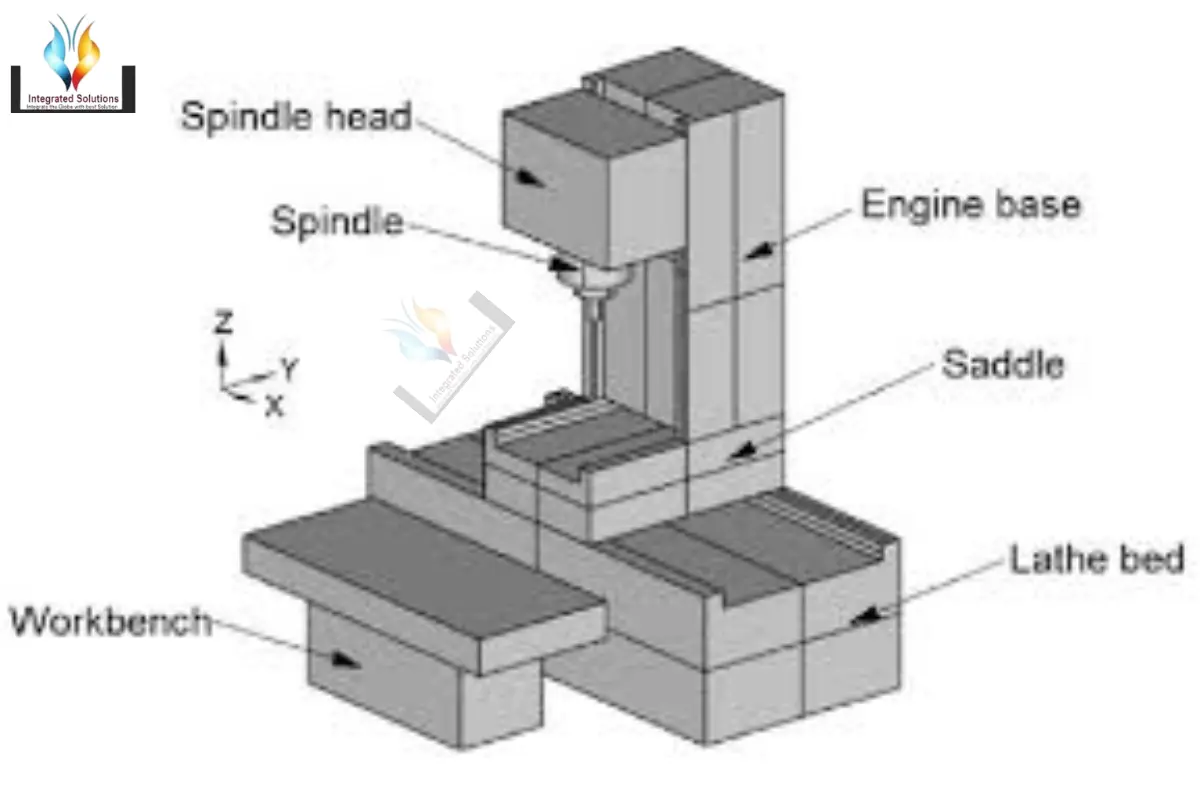
Example CNC Machining Process With Diagram
🌍 Applications of CNC Machined Parts
CNC machining is used across many industries due to its precision, reliability, and ability to produce complex components. Some of the most common applications include:
🚗 Automotive Industry — CNC machining is used to manufacture engine components, transmission parts, housings, pistons, gears, shafts, and custom high-performance parts with micron-level accuracy.
✈ Aerospace Industry — Used to create lightweight yet strong components such as turbine blades, structural brackets, aircraft interior parts, and high-precision aluminum and titanium parts needed for safety-critical systems.
🏥 Medical & Healthcare Industry — CNC machines produce surgical instruments, medical implants, orthopedic components, dental parts, and prosthetic devices where high accuracy and biocompatible materials are required.
🤖 Robotics & Industrial Automation — Ideal for complex mechanical assemblies, high-precision joints, actuators, and custom components used in automated machinery and robotic systems.
🛡 Defense, Military & Research — Used to manufacture weapon components, testing instruments, sensors, aerospace defense parts, and precision assemblies for research laboratories.
🏭 Industrial Machinery & Tooling — CNC machining supports gear manufacturing, jig & fixture production, molds, stamping dies, and tooling hardware required for high-volume manufacturing.
⚖ CNC Machining vs 3D Printing – Which is Better for Manufacturing?
CNC machining and 3D printing are two popular manufacturing technologies, and each is suitable for different production needs. CNC machining is known for high accuracy, excellent strength, and the ability to produce end-use industrial parts, while 3D printing is commonly used for rapid prototyping and design validation. Below is a simple comparison to help you choose the right process:
| ⚙ Feature | 🛠 CNC Machining | 🧪 3D Printing |
|---|---|---|
| 🎯 Accuracy & Strength | High precision with excellent mechanical strength | Good for prototypes, not ideal for load-bearing parts |
| ⏱ Production Speed | Fast for batch & mass production | Slower for bulk quantities; best for single prototypes |
| 🧱 Material Capability | Supports metals, alloys & engineering plastics | Mostly plastic-based, limited metal printing options |
| ✨ Surface Quality | Superior finishing and smoother tolerance control | Usually requires post-processing & finishing work |
🧠 Which Should You Choose?
Choose CNC Machining when you need production-ready parts, high strength, accuracy, and excellent surface finishing.
Choose 3D Printing when you need rapid prototypes, concept validation, or complex shapes that don’t require high strength.
Both technologies can be combined for an optimized manufacturing workflow—3D printing for early design stages and CNC machining for final production.
🌍 Applications of CNC Machined Components
CNC machining is widely used across multiple industries due to its high precision, excellent surface finish, and ability to manufacture complex and durable components. CNC-machined parts are essential in critical sectors where accuracy, strength, and repeatability are required. Below are the major industries and the common components produced using CNC machining:
🚗 Automotive Industry – Engine blocks, transmission housings, gears, pistons, suspension components, steering system parts, and custom performance components.
✈ Aerospace & Aviation – Turbine blades, brackets, structural aircraft parts, landing gear components, and lightweight high-strength aerospace assemblies.
🏥 Medical & Healthcare – Surgical instruments, orthopedic implants, dental implants, prosthetics, custom medical tooling, and precision device housings.
🤖 Robotics & Automation – Robot arm joints, precision mechanical parts, frames, bearing housings, and automation hardware for industrial robots and smart factories.
🏭 Industrial Machinery & Manufacturing – Tooling components, jigs & fixtures, gears, machine housings, spindles, and heavy machinery hardware.
🛡 Defense, Marine & Research – Weapon parts, testing instruments, submarine components, and military-grade precision assemblies.
🧪 Material Options for CNC Machining
CNC machining supports a wide range of engineering materials, allowing manufacturers to produce high-precision, durable, and complex components for industrial applications. The flexibility of working with metals and engineering plastics makes CNC machining ideal for prototypes, production parts, and mass manufacturing across automotive, aerospace, medical, robotics, tooling, and industrial equipment sectors.
🔩 Common Materials Used in CNC Machining
| 🔧 Material Type | 🌟 Key Advantages | 🏭 Typical Applications |
|---|---|---|
| 🛠 Aluminum (6061 / 7075) | Lightweight, strong, rust-resistant, ideal for high-speed machining | Aerospace fittings, automotive housings, molds, heat sinks, industrial prototypes |
| 🔩 Stainless Steel (304 / 316 / 420) | High durability, corrosion & heat resistance, smooth finishing | Medical devices, marine components, defense equipment, industrial tools |
| 🧱 Mild Steel / Tool Steel | Very high strength, wear resistance, supports high-load operations | Jigs & fixtures, dies, heavy machine parts, gears, construction tools |
| ⚡ Brass / Copper / Titanium | Excellent conductivity (Brass/Copper), high strength & lightweight (Titanium) | Electrical components, heat exchangers, aerospace components, precision hardware |
| 🧊 Engineering Plastics (ABS, Nylon, POM, PEEK) | Lightweight, chemical-resistant, low friction, ideal for custom & functional parts | Medical equipment, industrial housings, automation components, prototypes |
🚀 Why CNC Machining is the Future of Manufacturing
CNC machining plays a critical role in today’s global manufacturing industry by delivering unmatched precision, repeatability, high-strength components, and advanced production capabilities across automotive, aerospace, medical, robotics, defense, and industrial machinery sectors. With cutting-edge technologies like CNC Turning, CNC Milling, VMC, and 5-Axis machining, businesses can produce complex custom parts faster, reduce manufacturing costs, eliminate human error, and achieve consistently superior quality for prototypes and mass production.
At Integrated Solutions, we specialize in providing world-class CNC machining services with expert engineering support, advanced machines, premium material options, and strict quality standards for customers worldwide.
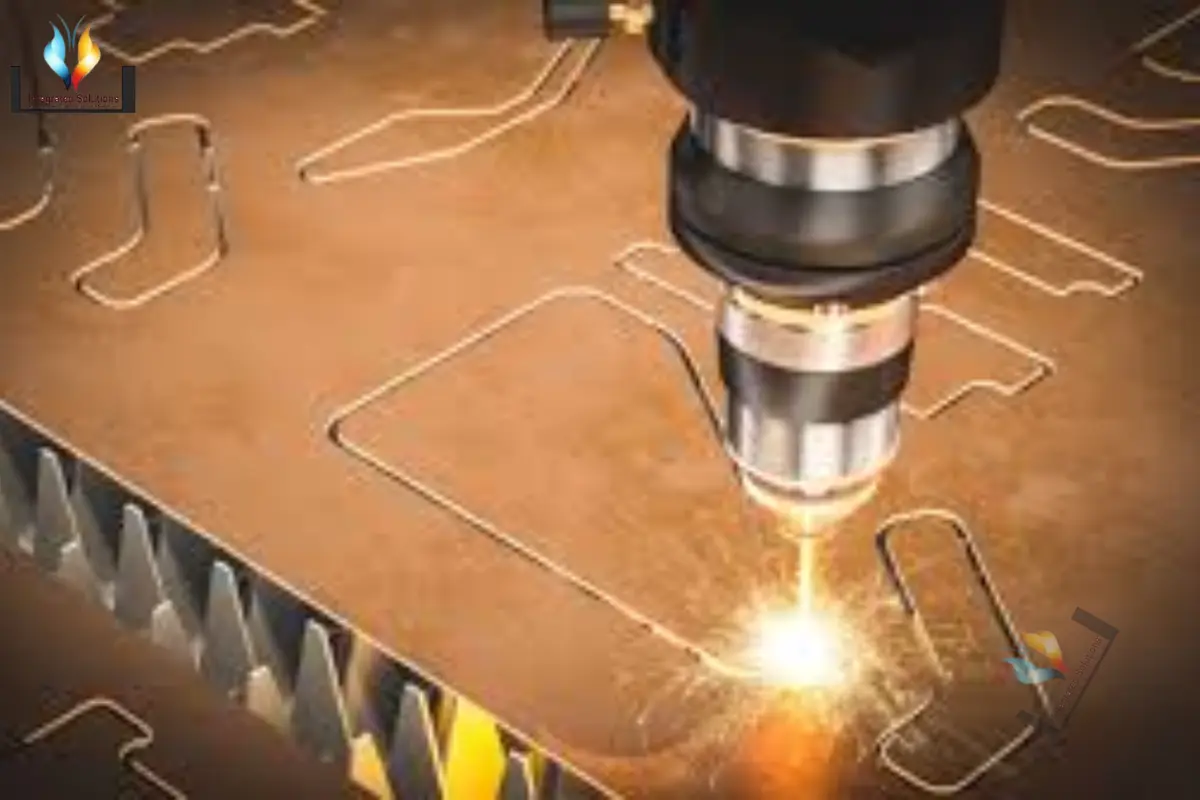
How to CNC Machine Work Process
Whether you need precision machining, complex custom components, batch production, or rapid prototyping, we deliver efficient, accurate, and high-performance solutions at competitive pricing.
📩 Ready to Discuss Your CNC Machining Requirements?
We provide expert technical support, quick quotations, and worldwide delivery.
📧 Email: [email protected]
📞 Call / WhatsApp: +91 8595664826
🌍 Serving Worldwide — 🇮🇳 India | 🇺🇸 USA | 🇩🇪 Germany | 🇬🇧 UK | 🇵🇱 Poland | 🇨🇳 China | 🇹🇷 Turkey | 🇦🇪 UAE | 🇪🇺 Europe (EU Countries).
🎯 Why Choose Integrated Solutions?
- ⭐ High-precision CNC & VMC machining.
- ⚙ Custom and complex component manufacturing.
- 🚀 Fast, reliable delivery with competitive pricing.
- 🌍 Trusted by global industries.